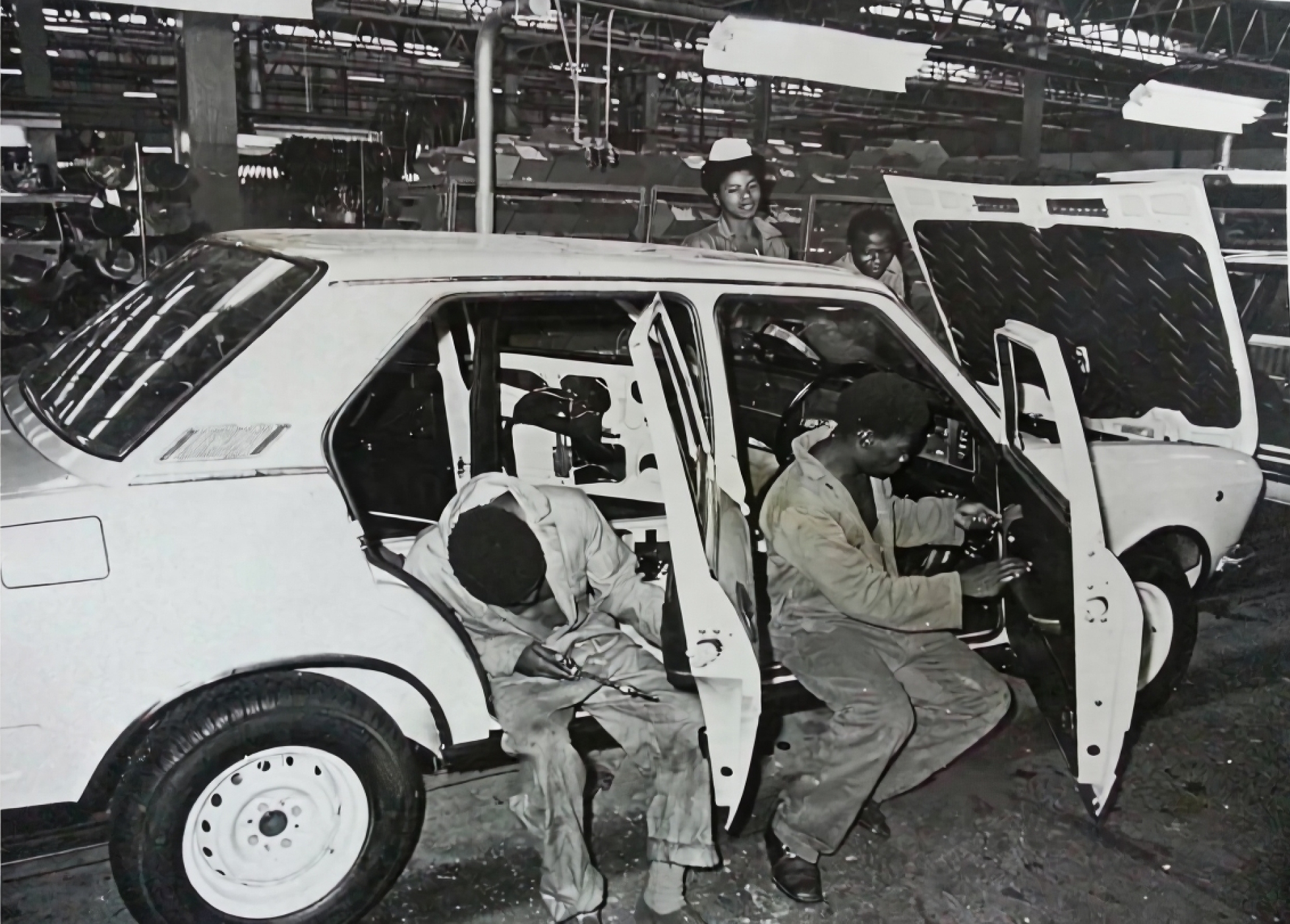
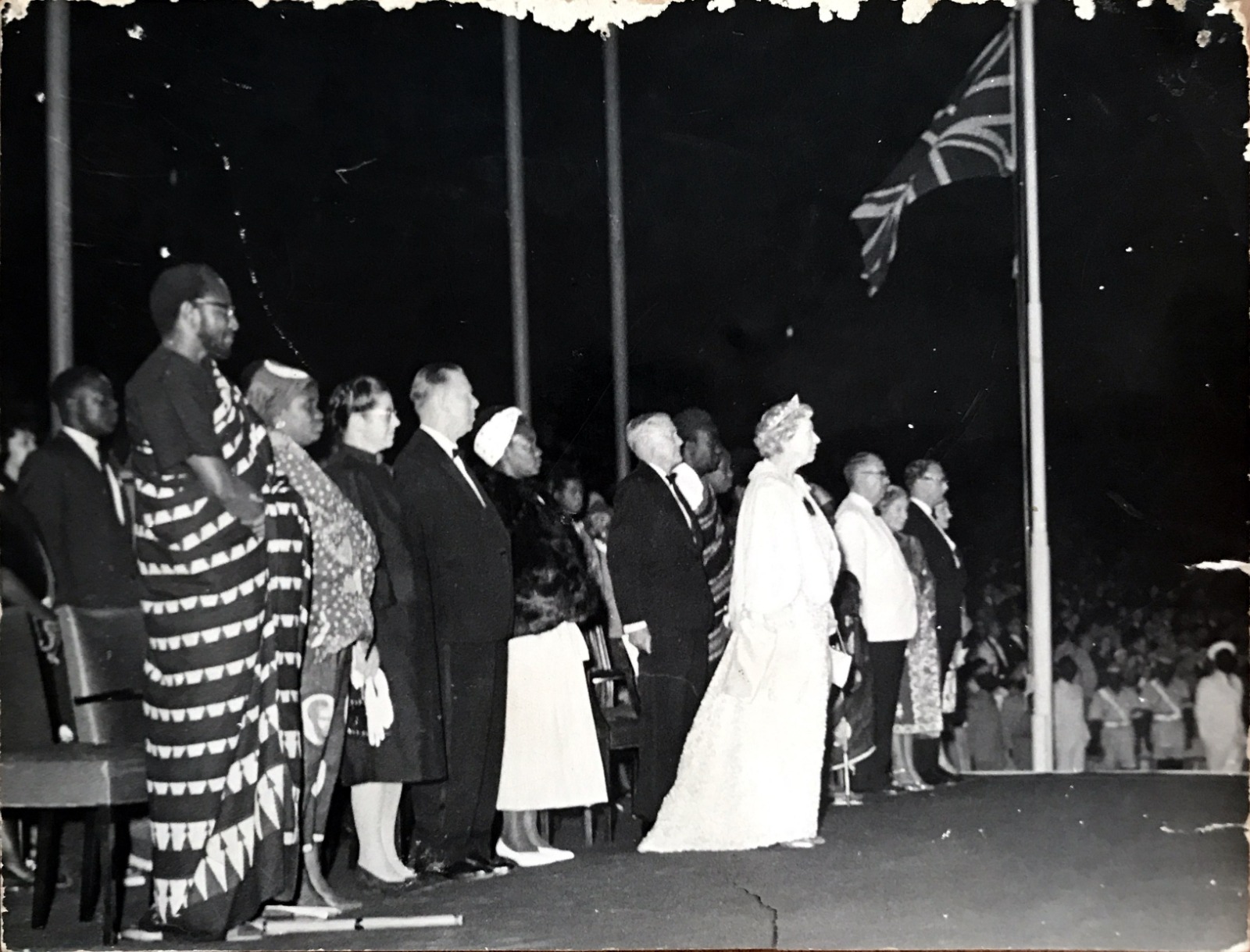
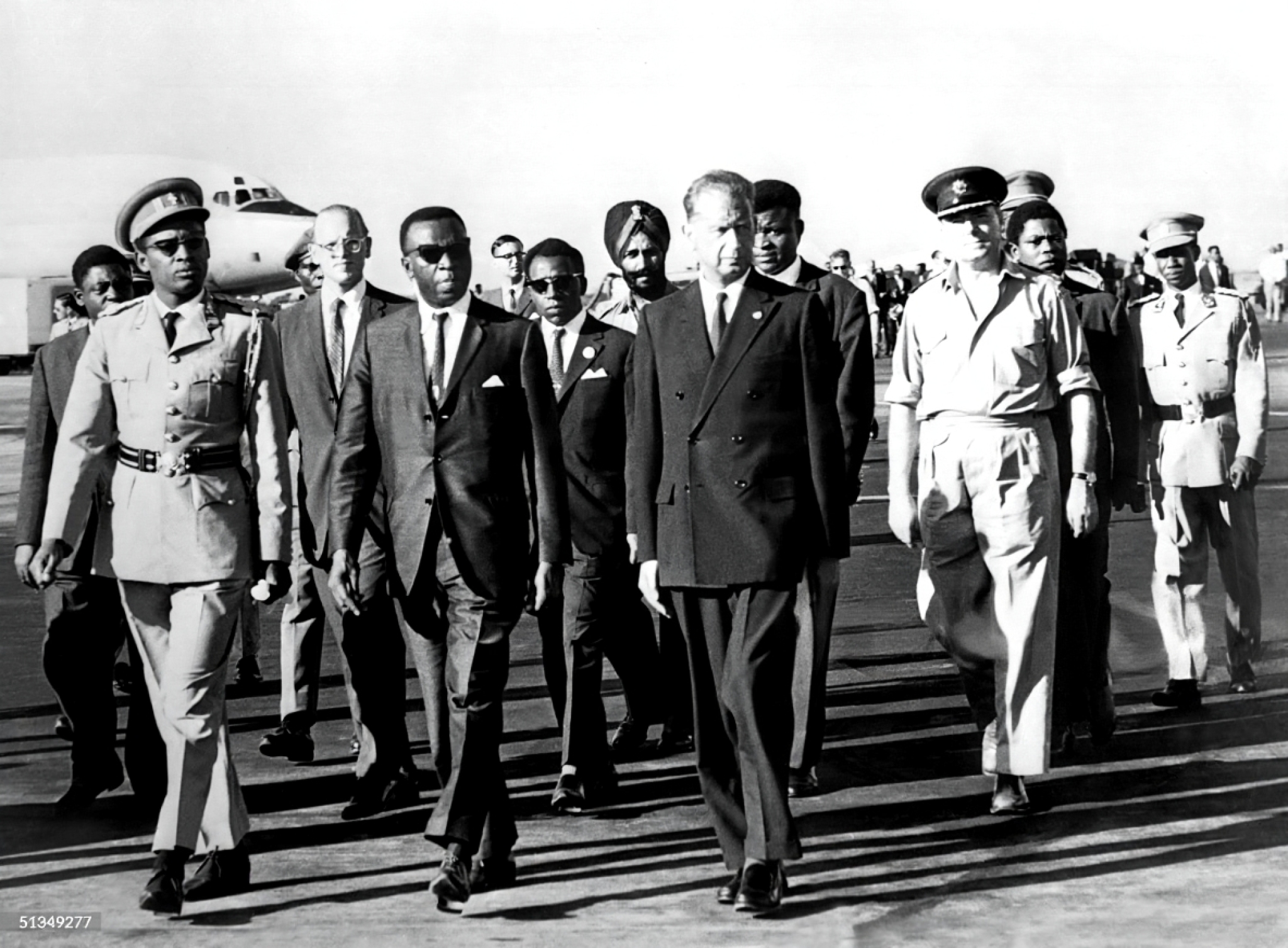
Every nation's independence story has a face—but rarely just one. While Kenneth Kaunda's image adorns Zambian currency and monuments, the fight for freedom was waged by a coalition of brilliant, conflicted, and courageous individuals whose stories deserve equal recognition. Harry Nkumbula, the moderate strategist who mentored Kaunda before their ideological split. Simon Kapwepwe, the poet-politician who shaped Zambia's very name and cultural identity. Mainza Chona, the legal mind who transformed revolutionary ideas into constitutional reality. Simon Zukas, the white Jewish immigrant who chose justice over colonial privilege.
The fight for Zambia's independence is often reduced to one key figure—Kenneth Kaunda, the republic's first president. Though his contributions to independence were immense, the reality of the freedom struggle is that it was the result of the combined efforts of many individuals whose leadership, alliances, and ideological disagreements shaped the trajectory of the nation. Here are key figures in the fight for freedom whose legacies deserve recognition.
Harry Nkumbula: The ANC Leader Who Mentored Kenneth Kaunda
As leader of the African National Congress in Northern Rhodesia, Harry Nkumbula's political ideology straddled a more moderate line—he remained open to compromise with colonial authorities. Still, he was a nationalist who pushed fiercely for African political rights and self-governance.
Nkumbula was born in 1916 in Maala, Namwala. After being influenced by Pan-Africanist ideas while abroad in England, he became President of the Northern Rhodesia African Congress (which became the ANC). He organised strikes, boycotts, and mass mobilisations to oppose the Federation of Rhodesia and Nyasaland. He was arrested in 1955 for distributing “subversive literature” that opposed colonial rule.
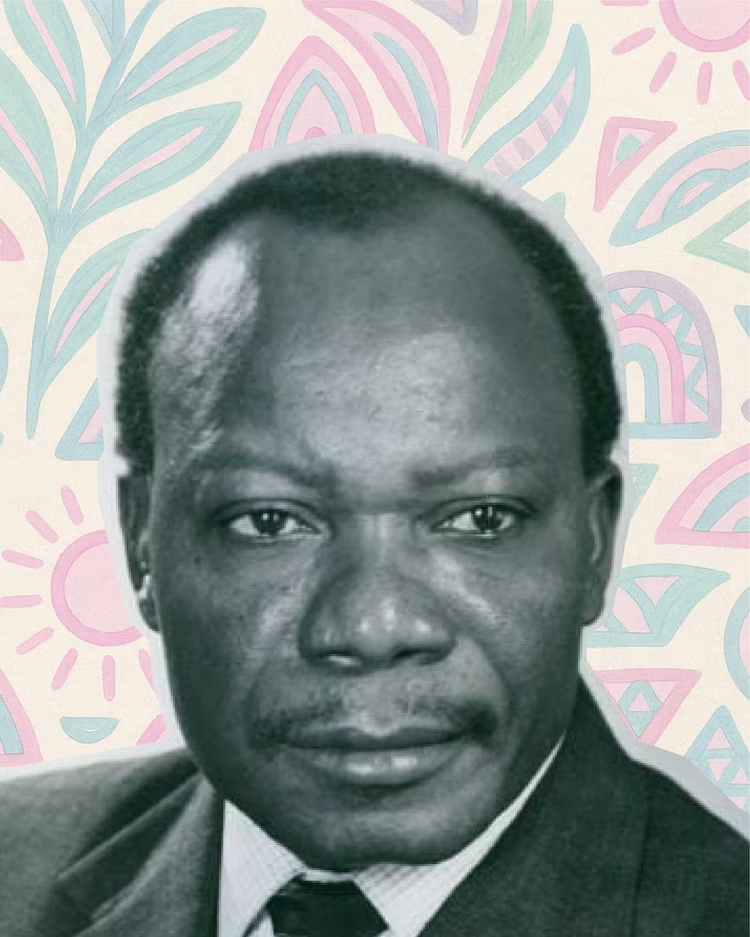
Although Nkumbula initially mentored Kaunda and was even arrested alongside him, the two eventually clashed over strategy. Kaunda found Nkumbula too willing to compromise with colonial authorities and formed the ZANC as an alternative. When the ZANC was banned in 1959 and its leaders arrested, Nkumbula remained free, and his party remained legal, though facing increasing scepticism about its ability to lead the nation to independence.
After independence, Nkumbula became Minister of African Education, and his party became a source of opposition for UNIP until the one-party system was implemented.
Nkumbula is recognised as one of Zambia's founding fathers. Many historians believe his moderate, compromising approach laid the groundwork for the tactics that eventually secured independence.
Mainza Chona: The Diplomat and Legal Architect of Zambian Independence
Mainza Chona is remembered as a skilled diplomat who leveraged his legal training to advance the fight for independence. Born in 1930 near Monze, he connected with other nationalists while studying abroad in England, who would act as both his influences and comrades in the freedom struggle.
After returning home, he joined Nkumbula's ANC but eventually helped form UNIP, where he served as National Secretary. Chona held numerous positions before independence. He was Minister of Justice, and when independence was achieved, he served as Minister of Home Affairs, Vice-President, Prime Minister, and Minister of Legal Affairs, amongst other posts.
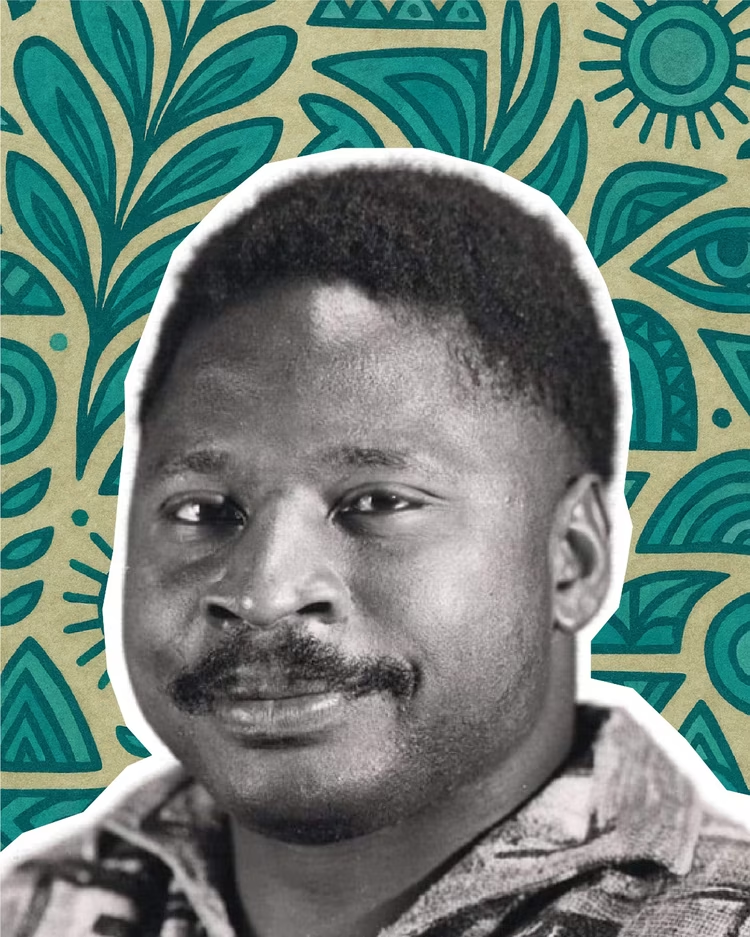
Chona was also the head of the Chona Commission, whose goal was to design a constitution for Zambia’s one-party democracy when the transition was made. Regardless of how history judges that particular political decision, Chona excelled in such spaces—he was instrumental in using legal institutions to transform revolutionary ideas into constitutional reality.
Simon Mwansa Kapwepwe: The Writer and Freedom Fighter Who Named Zambia
Simon Mwansa Kapwepwe was a freedom fighter and writer who fought for political rights while championing the preservation and strengthening of Zambia's cultural identity. Born in Chinsali in 1922, Kapwepwe initially worked as a teacher and then as a welfare officer. Growing increasingly dissatisfied with colonial rule, he joined the Northern Rhodesian African Congress (later the ANC) in 1948.
After winning a scholarship to study abroad, he left for India in 1950. Upon his return, his political activism intensified, eventually leading to his arrest and detention.
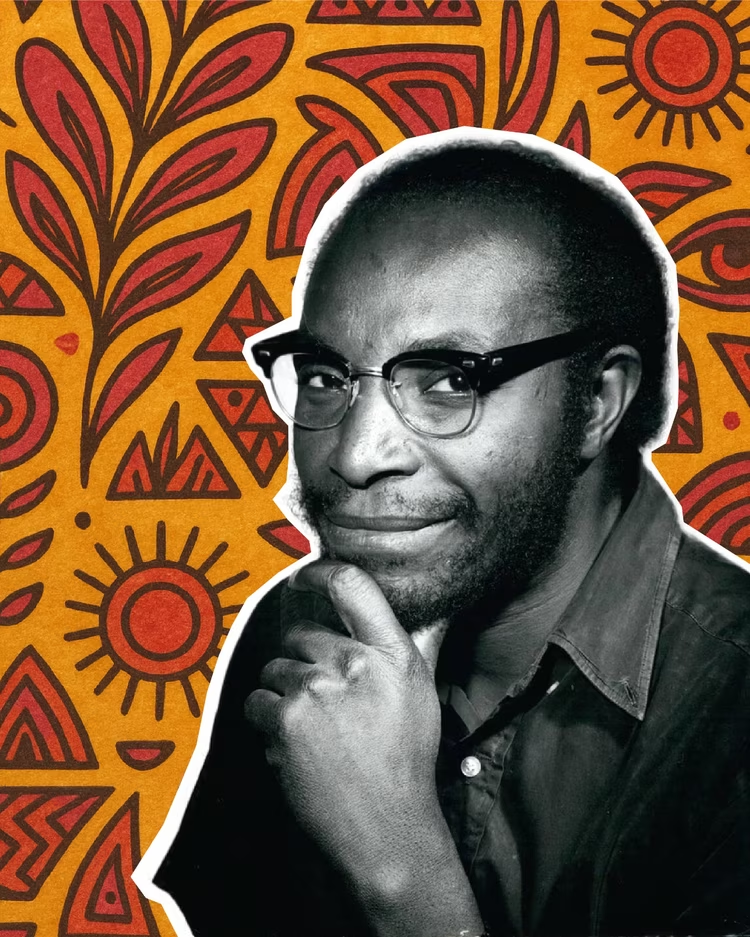
Following the ANC split, Kapwepwe helped form UNIP. After winning a seat in the 1962 elections, he played a crucial role in the transitional governance that prepared Zambia for self-rule. After independence, Kapwepwe became Vice-President. In terms of policy, he often diverged from Kaunda. Kapwepwe is remembered as a powerful orator whose literary works became part of the anti-colonial resistance culture. He played a role in developing national symbols, including the coat of arms, and his influence lingers in the name of the country itself.
Simon Zukas: The White Freedom Fighter Who Opposed Colonial Rule
Simon Zukas's remarkable status as a freedom fighter stems from an extraordinary choice: as a white man in a colonial state who benefited from the system, he chose to oppose what he believed was morally wrong. Born in Lithuania to a Jewish family in 1925, he immigrated with his family to the Copperbelt region as a pre-teen. While studying at the University of Cape Town, he was exposed to and joined anti-discriminatory radical student groups.
On his return from Cape Town, he joined the Anti-Federation Action Committee, which mobilised opposition to the proposed Federation of Rhodesia and Nyasaland. This political activity led to his arrest and deportation to the United Kingdom. Exile didn't silence Zukas—he joined UNIP's London committee and became a vital bridge between freedom fighters in Northern Rhodesia and supporters abroad.

After independence, Zukas was granted Zambian citizenship. He used his engineering expertise to aid in the design of major national structures, including Parliament, as well as serving on the boards of public institutions. He opposed Zambia's one-party system under UNIP. When his attempts to convince other leaders failed, he joined the Movement for Multiparty Democracy. He retired from active politics in 2005 but will always be remembered as a man driven by moral fortitude more than by personal gain.
The truth is that Zambia's independence was secured through contributions from too many people to fit on any single list. Whether through bold political action, subversive literature, or a single act of defiance, we can never fully honour everyone who contributed. The only way to show true gratitude is to make the best use of the nation they fought to make ours.