Have you ever noticed that when Zambia's national anthem plays, it sounds hauntingly familiar to Tanzania's and South Africa's? This isn't a coincidence—it's history singing through borders. Born as a hymn in 1897 in South Africa, "Nkosi Sikeleli Afrika" became the soundtrack of liberation across an entire continent. When Zambia gained independence in 1964, the young nation chose this powerful melody over colonial echoes, holding a competition to craft new words that would capture Zambian identity while honouring pan-African unity.
When you hear the national anthems of Zambia, Tanzania, and South Africa, have you ever noticed that they sound similar? Whether you hum or sing along, you'll recognise they share the same musical DNA.
The History of Zambia's National Anthem
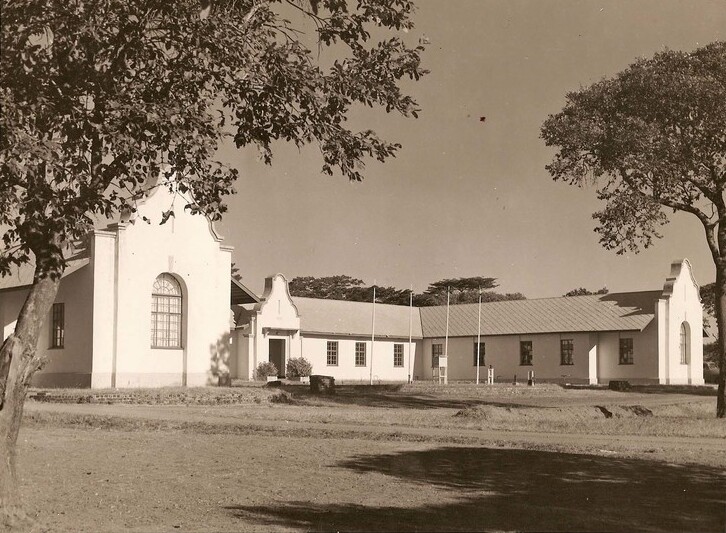
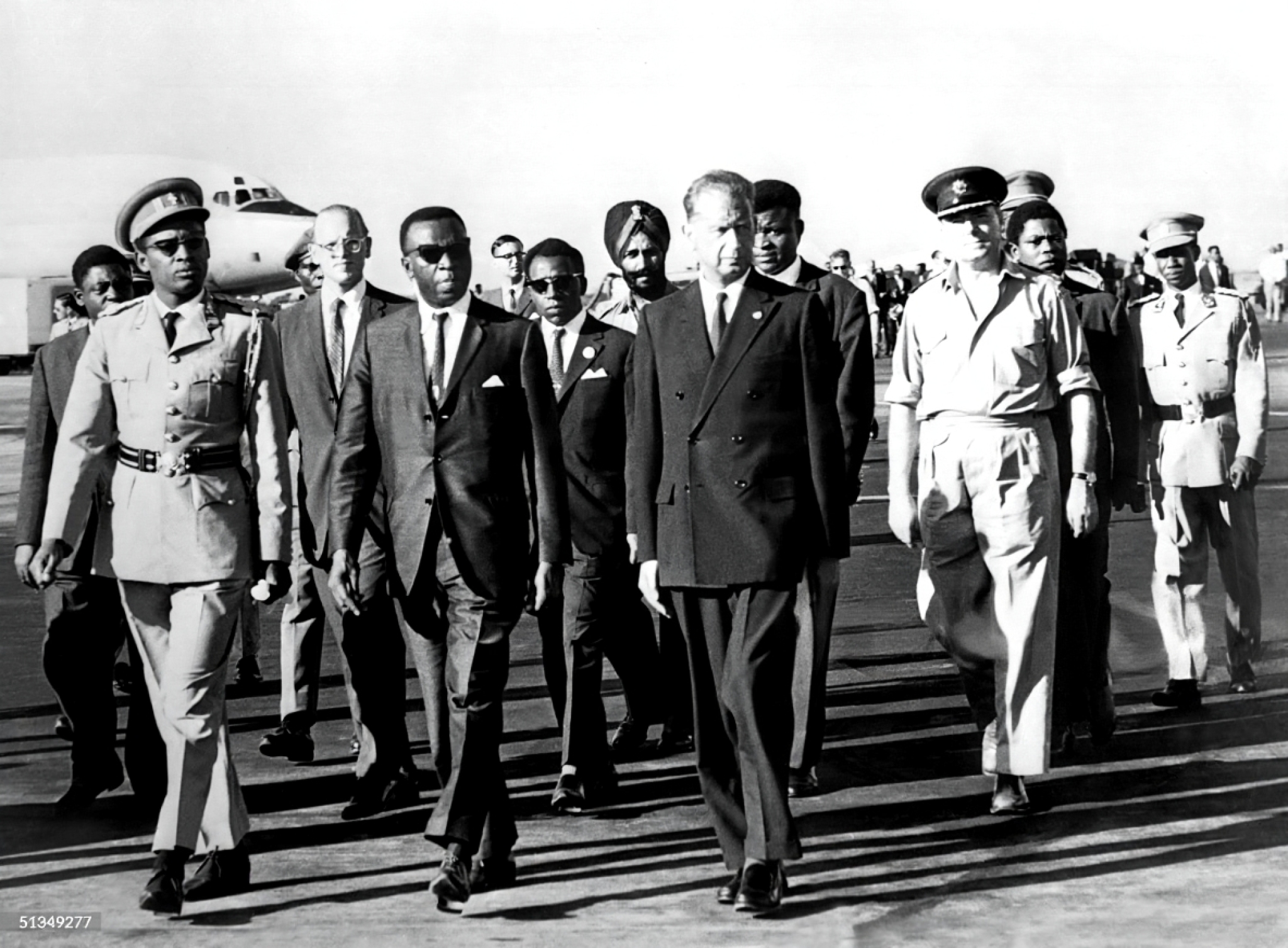
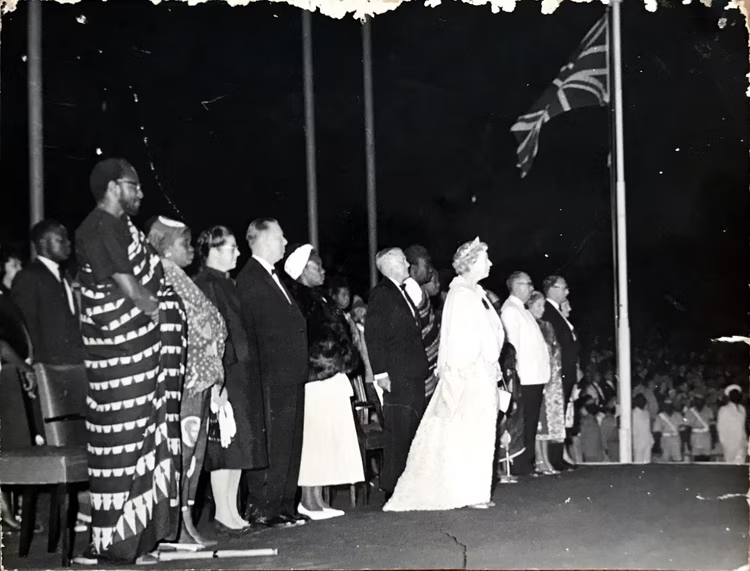
Before independence, 'God Save the Queen' served as the national anthem—a symbol of colonial rule that excluded native voices entirely. When Northern Rhodesia became Zambia in 1964, the newly independent nation needed an anthem that truly reflected its freedom.
“Nkosi Sikeleli Afrika” (God Bless Africa), composed by a South African, Enoch Mankayi Sontonga, in 1897. Solomon Plaatje, a writer and founding member of the ANC, was the first to have the song recorded in London in 1923. Rev. John Dube’s Ohlange Zulu Choir popularised the hymn at concerts, and it became a popular church hymn. It started being used at political meetings and was adopted by the African National Congress (ANC) as its official closing anthem in 1925, becoming a symbol of the anti-apartheid movement.

How 'Nkosi Sikeleli Afrika' Became the National Anthem of Five African Countries
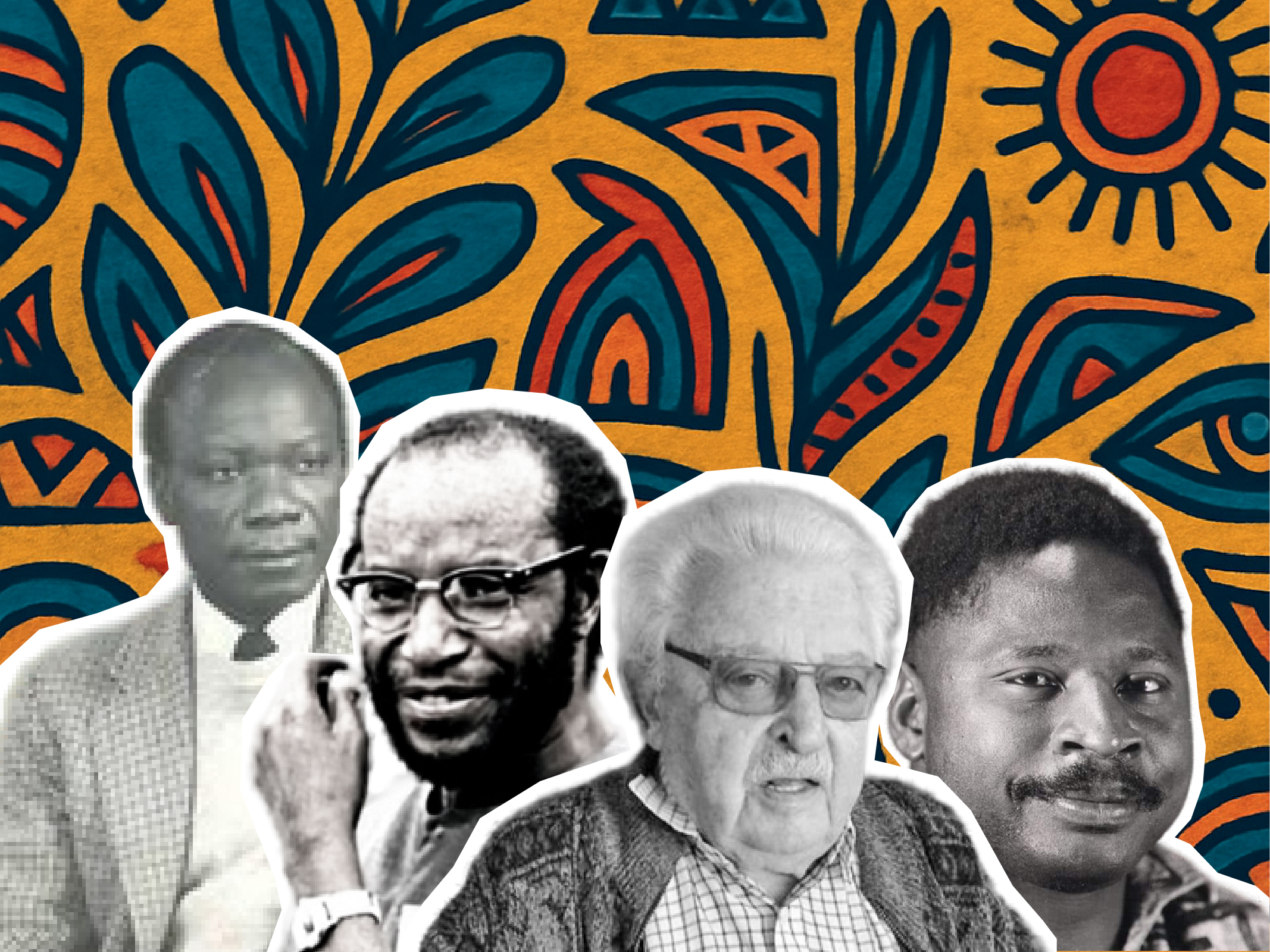
When Zambia adopted this liberation song as its national anthem in 1964, officials decided to commission new lyrics for the familiar melody. A competition was held to compose words for the new anthem. While no single entry was deemed perfect, six authors submitted particularly valuable contributions and received prizes: Mr G Ellis of Lusaka, Mr E.S. Musonda of Kasama, Mr J.M.S. Lichilana of Lusaka, Mrs I Lowe of Luanshya, Mr J Sajiwandani of Luanshya, and Mrs R.J. Seal of Lusaka.
The Zambian anthem opens with 'Stand and sing of Zambia, proud and free,' set to the tune of 'Nkosi Sikeleli Afrika.' It has since been translated into various Zambian languages.
In 1973, the National Assembly passed the National Anthem Act, which legally defined the English lyrics of “Stand and Sing of Zambia, Proud and Free” as the national anthem of Zambia. The Act also made it an offence to “insult or bring into contempt or ridicule” the anthem and granted the President of Zambia the right to prescribe how the anthem is sung and to restrict its use.
The hymn's popularity spread throughout southern Africa, becoming deeply associated with nationalist movements. This pan-African liberation anthem was eventually adopted by five newly independent countries: South Africa, Zambia, Tanzania, Namibia, and Zimbabwe.
The anthem's lyrics haven't been without controversy. In 2005, representatives of the Zambian women’s movement wanted the lyrics to the anthem changed: “free men” changed to “freely” and “brothers” to “all one”. However, officials rejected the changes, arguing that the anthem's historical lyrics reflect the country's heritage.
The Cultural Significance of Zambia's National Anthem
Zambia's national anthem holds profound cultural significance, sung at national events, functions, and schools throughout the country. It reminds us of the struggle for independence, freedom, and Unity.
The anthem is a unifying force, bringing together Zambians from diverse backgrounds. While we share melodic similarities with other nations, the anthem's message remains distinctly ours: we are proud Zambians, standing together in unity.