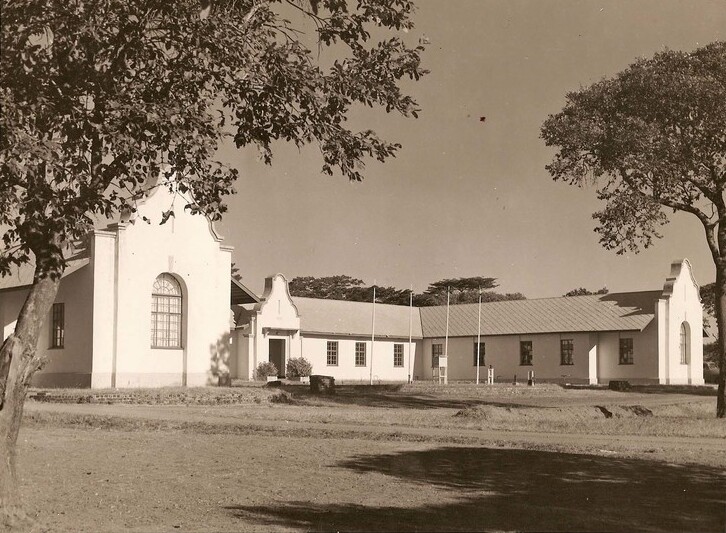
In 1959, authorities told villagers in Kabompo that the man arriving at House J11a was a cannibal who ate children. The truth? It was Kenneth Kaunda, Zambia's future president, detained for daring to organise for freedom. What colonial officials intended as isolation became transformation. Confined to a simple house in Northwestern Province, Kaunda encountered a black mamba beneath his feet, walked miles to the Kabompo River, battled dysentery and malaria, and spent long hours in reflection that would reshape his political vision.
Villagers in Kabompo were told the man arriving at House J11a was a cannibal who devoured children. The truth? He was Kenneth Kaunda, Zambia's future president, detained for the crime of organising for freedom. What colonial authorities intended as isolation became something else entirely: a transformation.
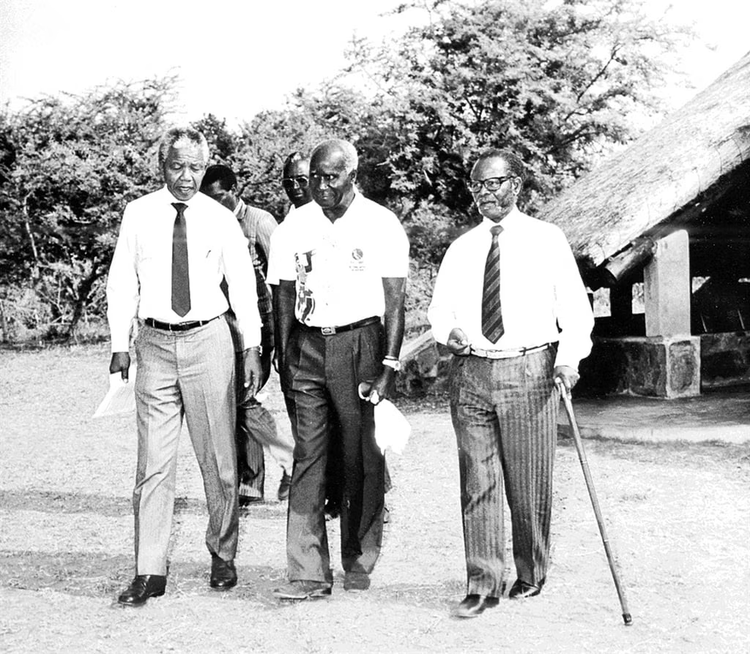
Kenneth Kaunda's Arrest
After forming the Zambian African National Congress (ZANC), Kenneth Kaunda sought new supporters by holding meetings with community members. The Governor, Sir Arthur T. Benson, viewed these gatherings as a means of orchestrating protests.
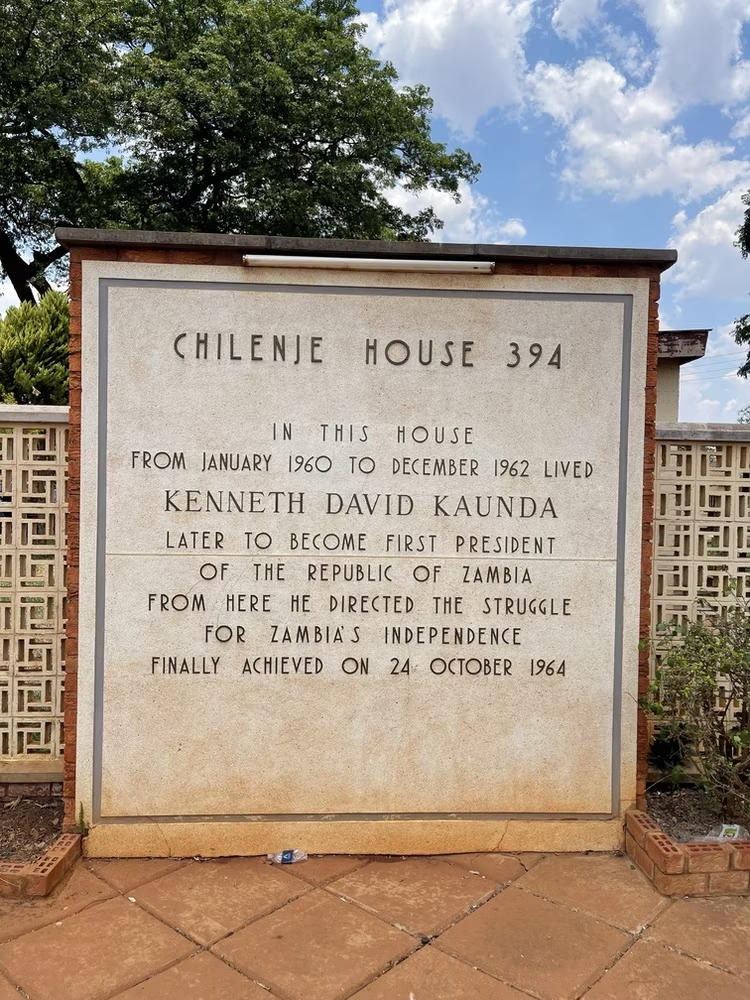
Mr Kaunda was informed that the police were coming to arrest him. On 12 March 1959, when the door of his Chilenje house was forced open, he wasn't surprised.
Life Under House Arrest
After his first breakfast under house arrest at the Kabompo house, Kenneth Kaunda and his colleague, Mr Frank Chitambala, decided to take a stroll in the neighbourhood. To their surprise, villagers fled at the sight of them. Men positioned themselves near trees, ready to scramble up if approached, whilst women dashed to their houses, clutching their babies.
They investigated this odd behaviour and discovered that authorities had told villagers that the men coming to House J11a were cannibals who especially loved the tender flesh of children—a deliberate lie designed to prevent Kaunda and his colleagues from gaining supporters.
However, the success of these gatherings eventually drew the attention of officials. After a month, they received individual orders banning them from further meetings, and their movements were restricted to a limited area around the house.
Forced to adapt, they developed a routine: waking for a bath and breakfast, after which Frank and Musonda (another colleague who arrived later) would go out to look for provisions whilst Kaunda read and reflected.
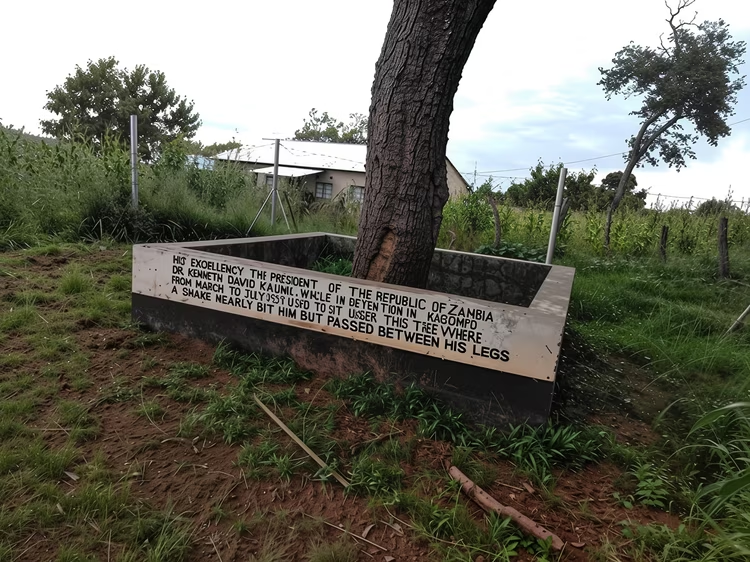
One hot day, Kaunda sat beneath a tree just outside the house, wearing only a vest as he engaged in some heavy reading. He contemplated the relationship between humans and nature when, as if nature were listening, a black mamba slithered beneath his foot. He remained calm, which he later stated was odd behaviour for him in such a situation. The incident seemed to sharpen his awareness of his surroundings.
He often walked miles from the house, sometimes reaching the Kabompo River, where he appreciated the surrounding natural beauty. During these walks, his thoughts returned to his hometown of Lubwa, where few animals remained due to hunting. His appreciation for Kabompo's nature deepened.
Kaunda's Struggles in House J11a
He went to see the district commissioner about insufficient provisions, only to be kept waiting for hours without explanation. He barged into the commissioner's office and demanded answers. In response, he was ordered to hold no meetings for the next three months.
He suffered a serious bout of dysentery and malaria, along with a series of colds and coughing fits.
His detention made him reflect on his time in the African National Congress (ANC), where he had spent most of his time in the Lusaka offices. These reflections reminded him that he had lost sight of people in rural areas. He wrote to Mr Solomon Kalulu about these matters, discussing the drinking problem amongst the youth and people his age in the area, with a liquor store being planned for construction locally. He recognised the need for people to remain sober-minded.
When Governor Arthur T. Benson commissioned the banning of the Zambian African National Congress, Kenneth Kaunda wrote a statement against the ban, detailing the false narrative the Governor had created and exposing the absurdity of the unsubstantiated accusations.
House J11a as a National Monument
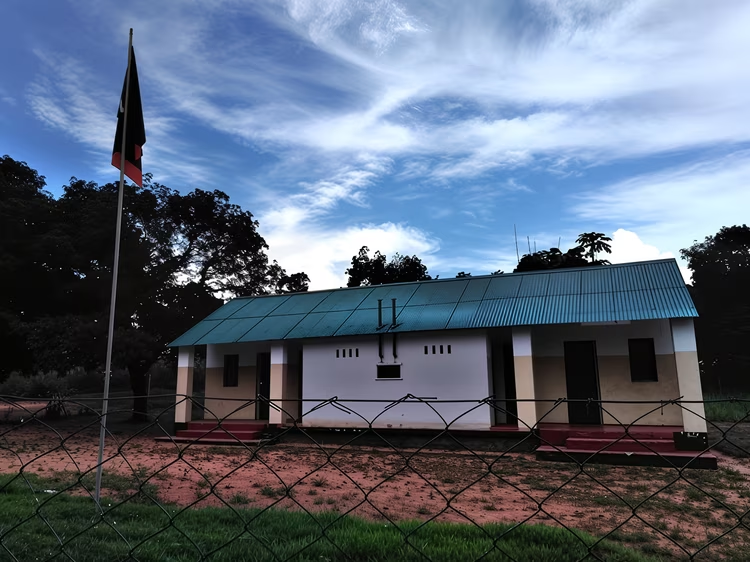
Kenneth Kaunda stated that his detention was a blessing in disguise. He not only discovered his mistakes but also began a process of rediscovering himself and his people. The house has since been declared a national monument because of the events that took place within it, serving as a marker of the struggle for freedom.
An engraving has even been made around the tree beneath which he sat.