Tired of your usual restaurant rotation? Lusaka's dining scene holds a secret: three authentic Asian spots that break the mould from the primal thrill of table-side Korean BBQ at Arirang to the minimalist perfection of Japanese tonkatsu at Musubi and the vibrant chaos of the JCS food market.
Tired of the same meals? Lusaka’s Asian food scene has three spots that will break your routine.
Arirang: Where Meat Meets Fire
Arirang doesn't pretend to be something it's not. It's a Lusaka restaurant serving Korean food, and it does it well. The space has wooden tables fitted with built-in grills that glow red once they heat up. There's something primal about cooking your own meat at the table, watching thin slices of beef sizzle and char while you control every second of the process.
Order the Korean barbecue set. The server will bring out small ceramic dishes filled with kimchi, pickled vegetables, and sides. The kimchi has bite—not just heat, but this fermented tang that cuts through everything else on the table.
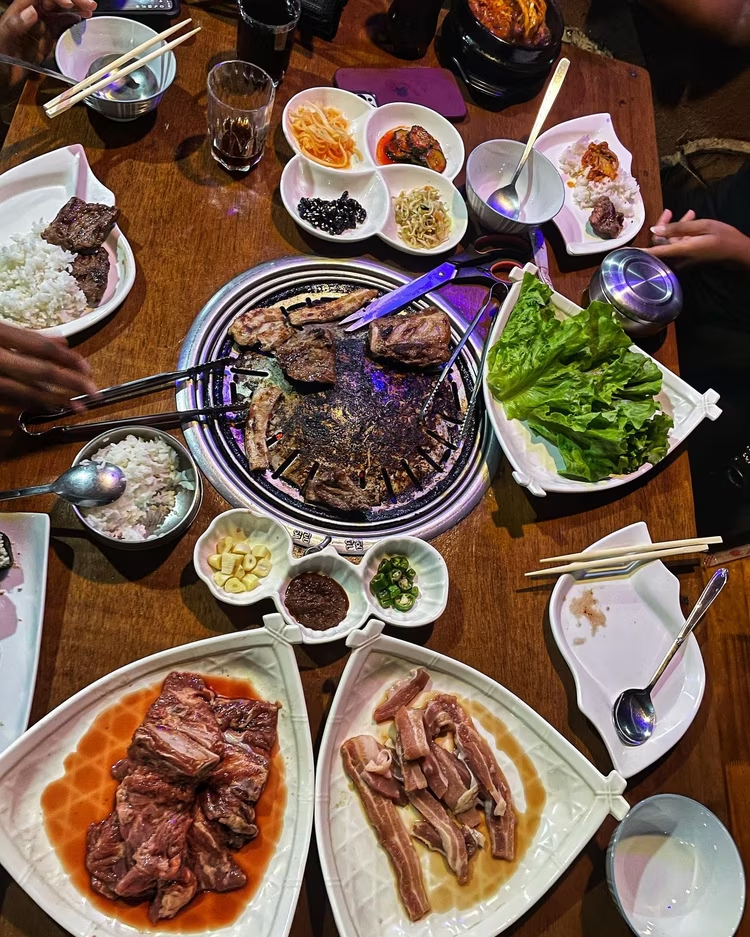
The meat comes raw and marbled, practically melting as it hits the hot grill. Use the metal tongs to flip each piece, waiting for the edges to caramelise. When you wrap a slice in lettuce with some sauce and rice, the combination is perfect: smoky meat, crisp lettuce, funky-sweet condiment. Each bite has texture and temperature contrast that makes you slow down and actually taste your food.
Don't skip the soju. This deceptively smooth Korean spirit goes down easy until the warmth hits your chest. It pairs beautifully with grilled meat, cleansing your palate without overwhelming it, letting you go back for another piece without feeling weighed down.
Musubi: The Art of Restraint
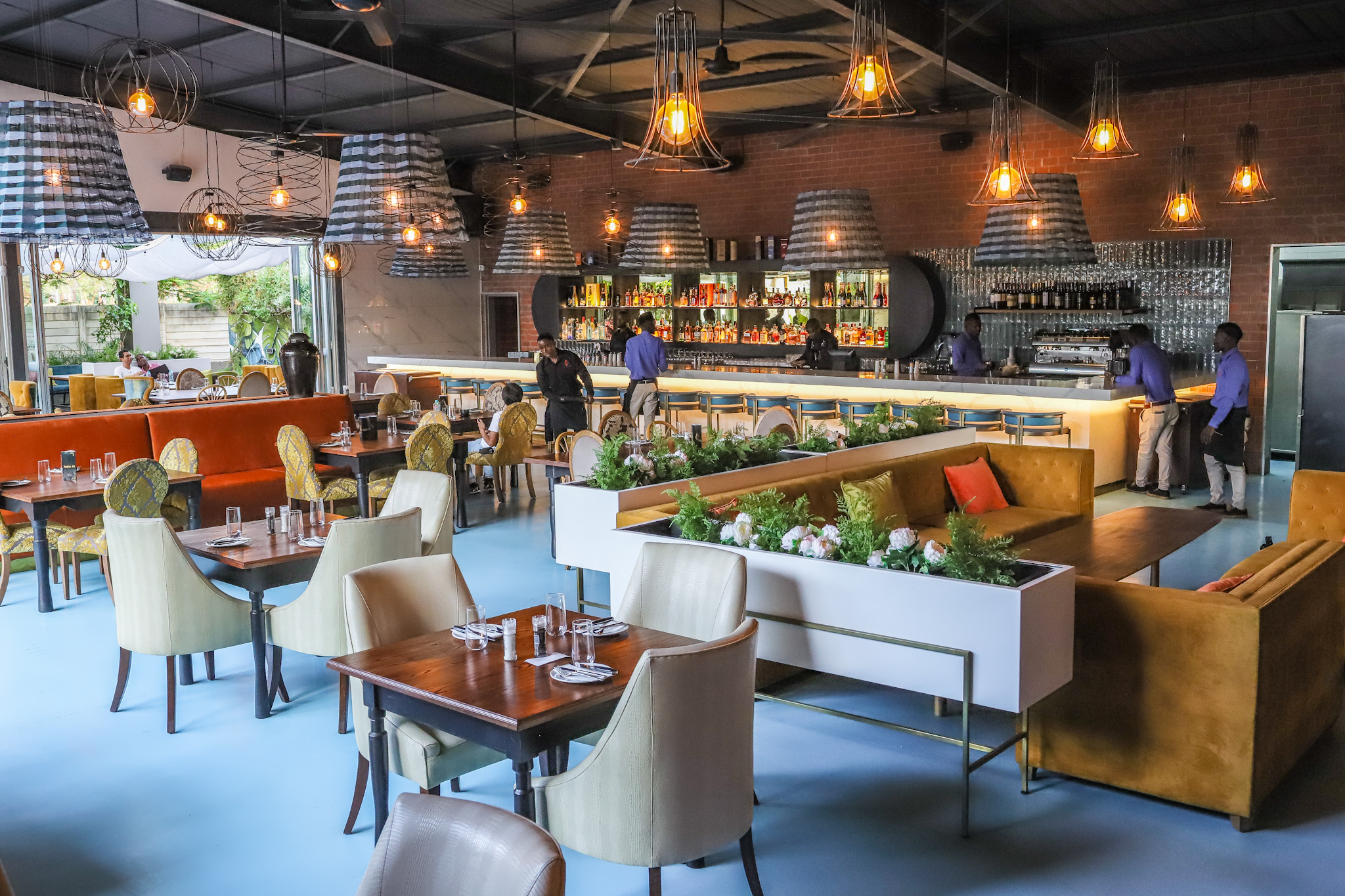
Musubi is darker than Arirang, with a minimalist approach. The lighting is low, the décor sparse. You can't see into the kitchen from the dining area—the food just appears, which adds to the experience somehow. There's a quietness to the space that makes you focus on what's in front of you.
The tonkatsu is what you came for. The breaded pork cutlet arrives golden and geometrically sliced, sitting on shredded cabbage so fine it looks like green hair. That first bite reveals everything: the panko crust shatters audibly, giving way to pork that's somehow both tender and substantial. The meat has been pounded thin enough to cook evenly but thick enough to stay juicy.
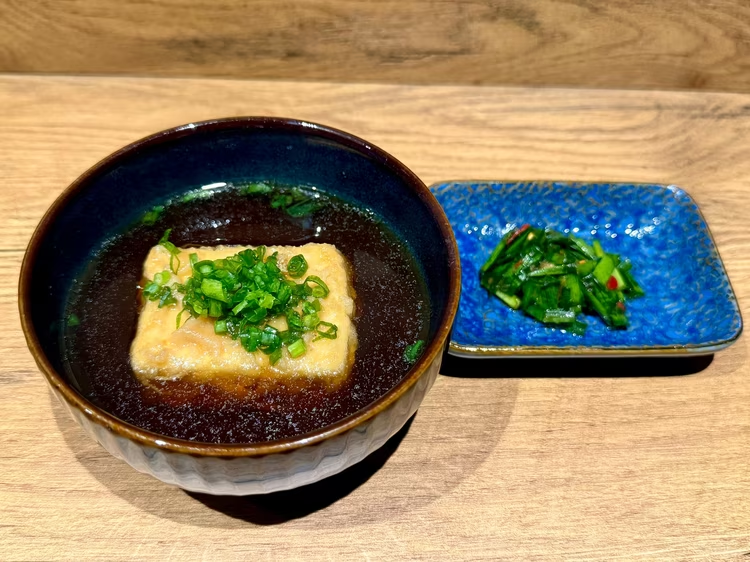
The tonkatsu sauce—dark, slightly sweet, with vinegar notes—pools on the side. It enhances rather than masks. The cabbage underneath serves a purpose too; its raw crunch and slight bitterness cut through the fried richness.
Try the sake, served in a small ceramic cup that warms in your hands. It's cleaner than wine, less aggressive than spirits, with this subtle rice sweetness that makes it feel like part of the meal rather than just a drink. The warmth spreads slowly, comfortably.
JCS: A Proper Food Market
JCS isn't a restaurant in the traditional sense—it's a food market. Walk in and you're faced with stalls lining both sides, each one serving different dishes. The dining area sits in the middle, with communal tables where everyone eats regardless of which stall they ordered from. It's louder here, more chaotic, with the energy of a proper market.
Start with chicken noodles from one of the stalls. The broth is clear but deeply flavoured, the kind that takes hours of simmering to achieve. The noodles have snap—they resist your teeth before giving way. The chicken is white meat, surprisingly moist, and cut into pieces that make sense.
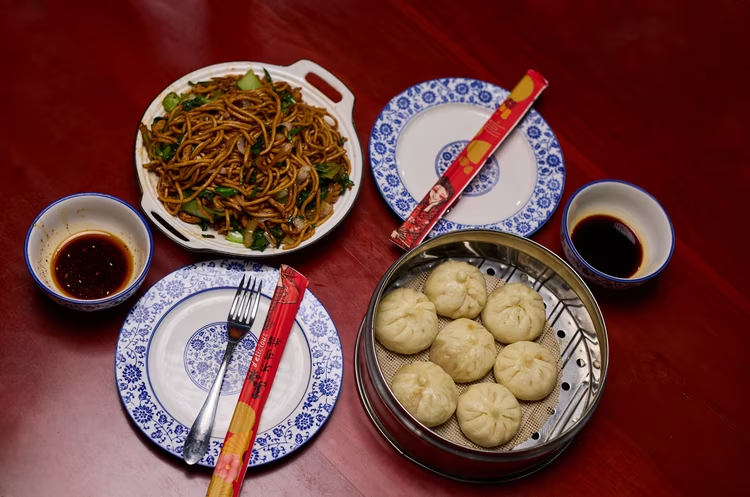
Move to another stall for steamed pork dumplings. The wrappers are substantial, thick enough to hold the filling without falling apart. When you bite into one, the seasoned pork inside is well-spiced, the wrapper providing chew and substance. Work through them steadily, dipping each dumpling in the sharp vinegar-soy sauce provided.
The crayfish boil comes piled up on a plate, red and glistening with spices. Eating them requires work—cracking shells, pulling meat, getting your hands messy—but that's part of the appeal. The meat is sweet, the coating spicy and intense, clinging to everything. By the end, your fingers will be stained red, and you won't care.
Why It Matters
What makes these three places stand out isn't just that they're different from the usual Lusaka options. It's that they're committed. Arirang does Korean barbecue. Musubi does Japanese comfort food. JCS brings together Chinese cooking under one roof. When you're tired of the same rotation, these spots offer a real alternative. Lusaka's dining scene is better for it.