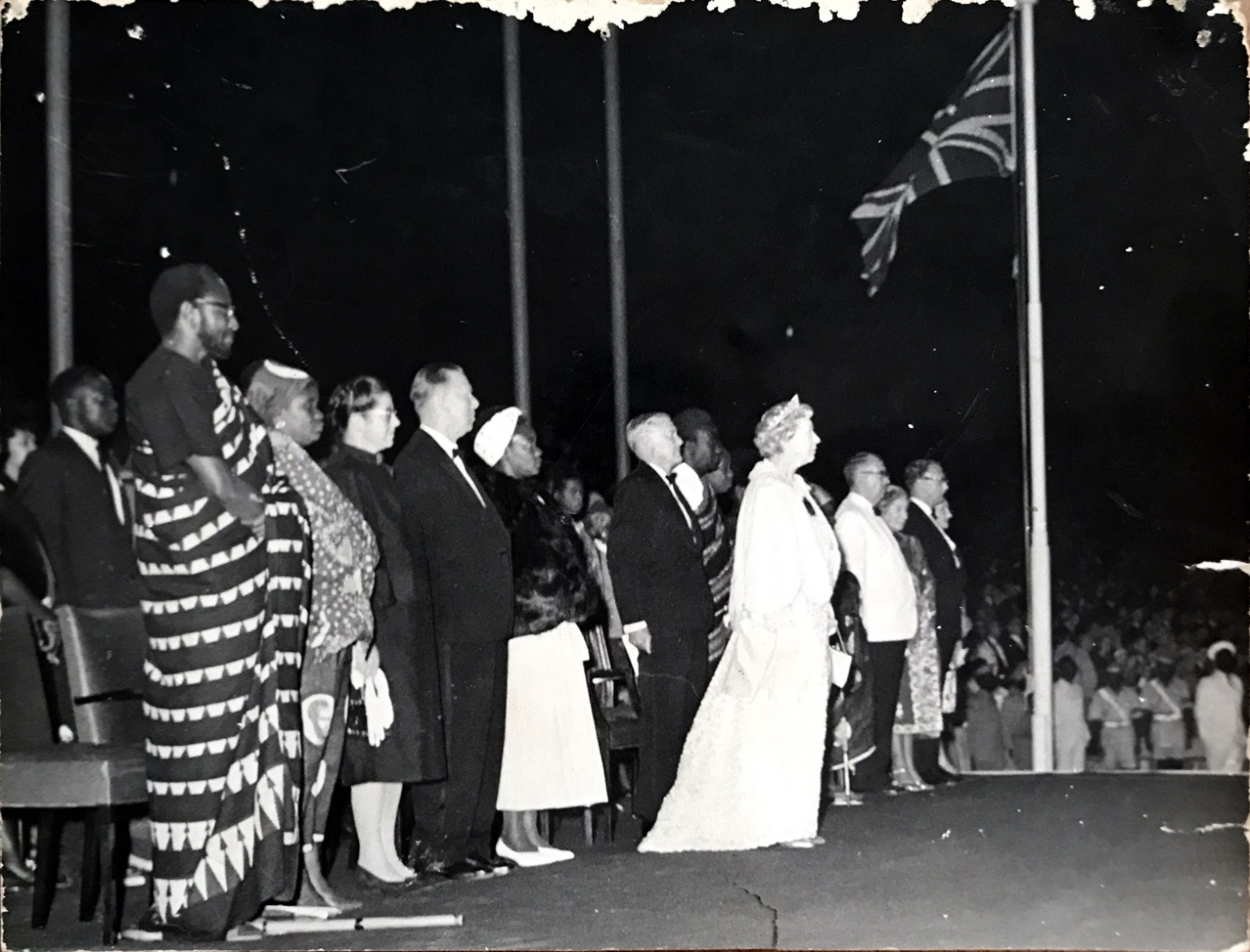
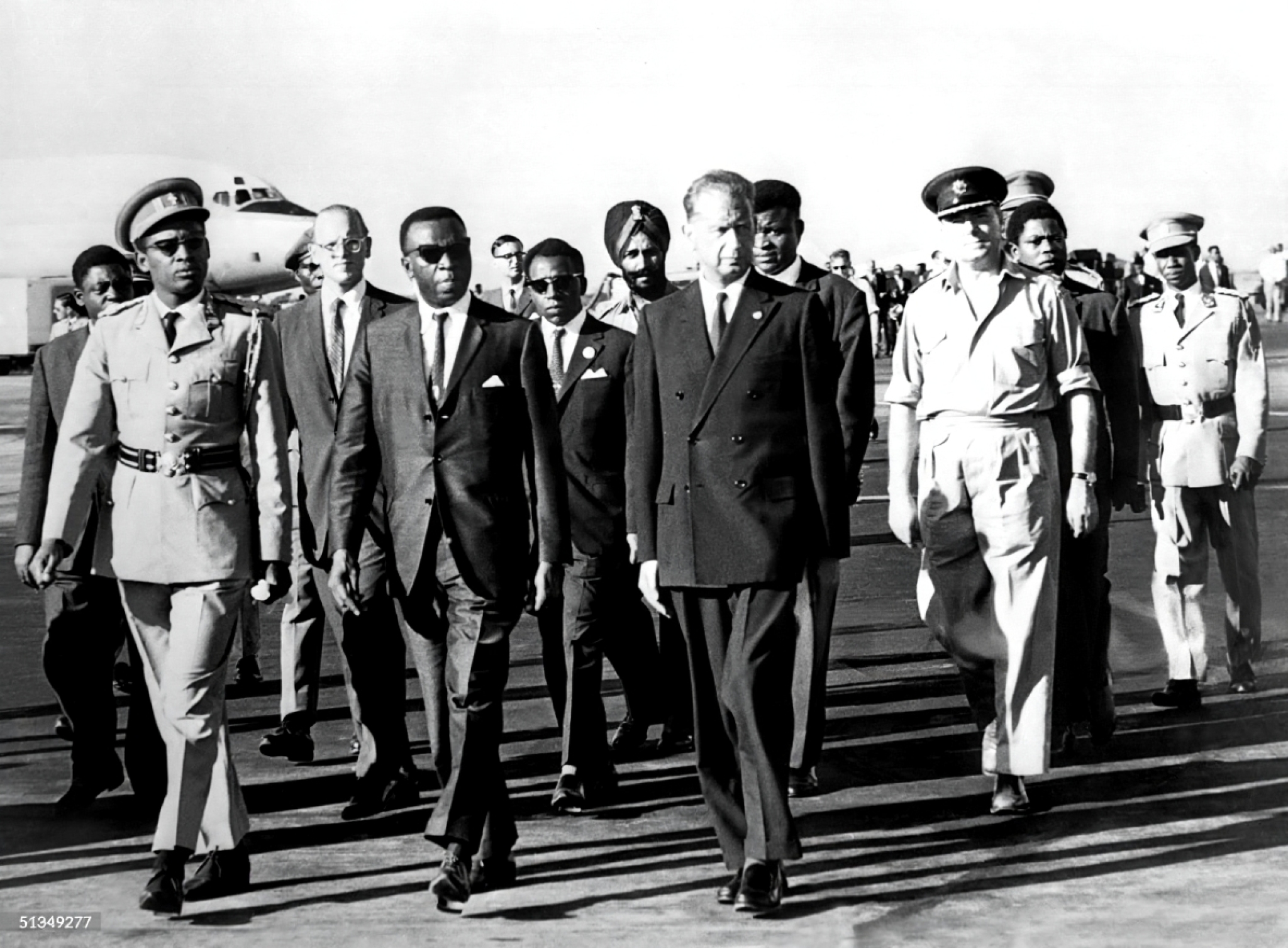
Scattered across Zambia stand buildings that once buzzed with purpose—a scientific station that saved millions from famine, a lakeside retreat where a president reshaped cabinets, a gleaming tower that symbolised economic might.
Zambia's Forgotten Monuments
The wind whistles through empty corridors where presidents once made history. Vines creep up walls that scientists covered with maps of locust swarms threatening to starve a continent. In Ndola, a red brick tower that once symbolised Zambian prosperity now stands as a quiet monument to faded ambition.
The Locust Control Station That Saved Africa
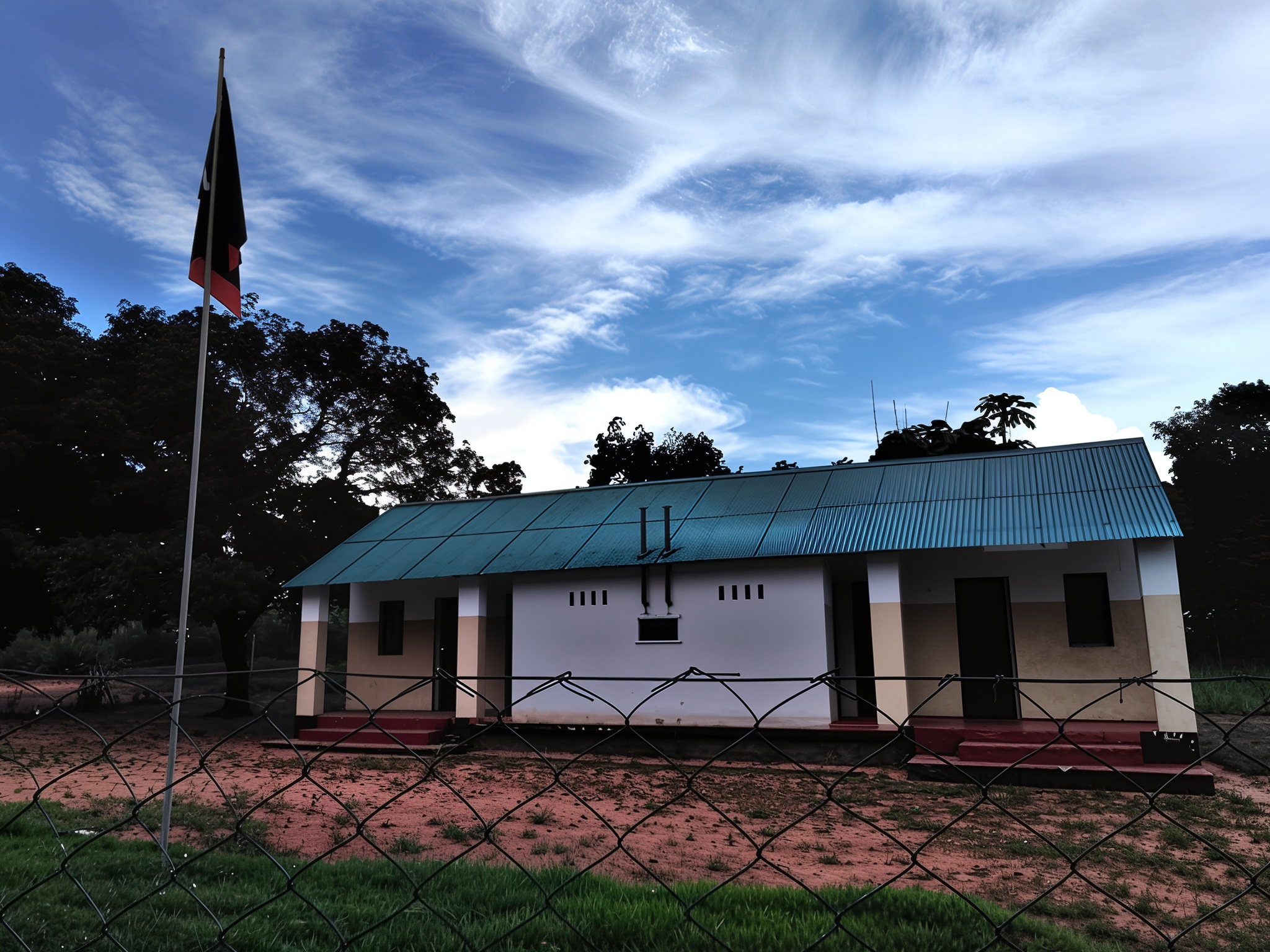
Makanta—the place of grasshoppers—served as the centre of the International Red Locust Control Service (IRLCS), established in 1949, a scientific station coordinating the red locust plague prevention across Africa. Red locusts had devastated crops across the region, threatening famine.
Thirty-nine European scientists and two hundred fifty one African workers made Makanta home, building a community in the valley dedicated to one mission: stopping the swarms that could black out the sky and strip fields bare in hours. Scientific and technical officers ran the operation, supported by an efficient equipment depot in Mbala. The service possessed two aircraft, which were used to control any outbreaks.
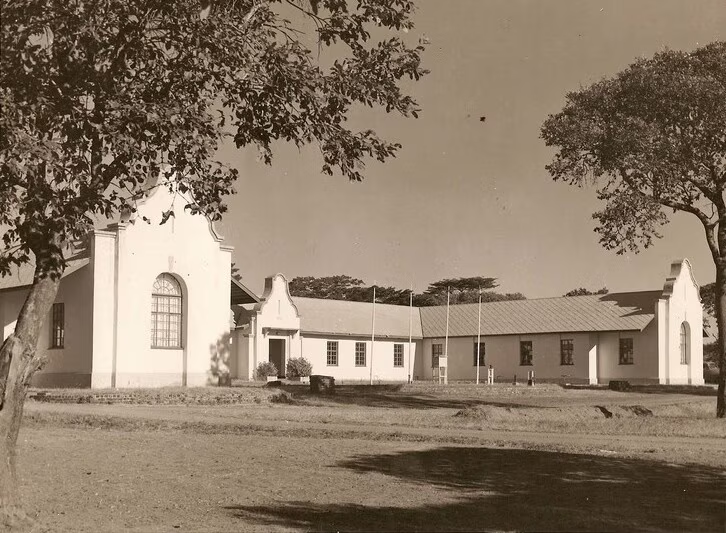
Millions of dollars poured into the service, and it worked—the locust plagues were contained. But by the 1970s, the IRLCS transformed into the International Red Locust Control Organisation for central and Southern Africa (IRLCO-CSA), and later relocated, and Makanta’s purpose dimmed.
Makanta, once a hub of scientific excellence, has become little more than a whisper—a name fighting to be remembered after decades of neglect.
Kenneth Kaunda's Presidential Retreat on Lake Tanganyika
Kasaba Bay sits on Lake Tanganyika's shores within Nsumbu National Park. When Dr Kenneth Kaunda served as Zambia's first president, the bay—complete with its own airport for chartered planes—became a popular retreat. Kaunda travelled there frequently, making decisions such as cabinet reshuffling and policy directives. These frequent presidential visits brought the bay prestige and national attention.
After Kaunda's presidency ended in 1991, the bay began to deteriorate as successive governments neglected its maintenance. A commercial lodge served wealthy visitors until it closed in 2006.
Renovation plans have surfaced periodically. In 2011, the government announced plans to renovate the airport runway, but these were abandoned after that year's change in government. Design firms even created 3D models of proposed developments: a 50-unit resort on the Inangu Peninsula coastline, wildlife viewing experiences, and exclusive spa facilities.
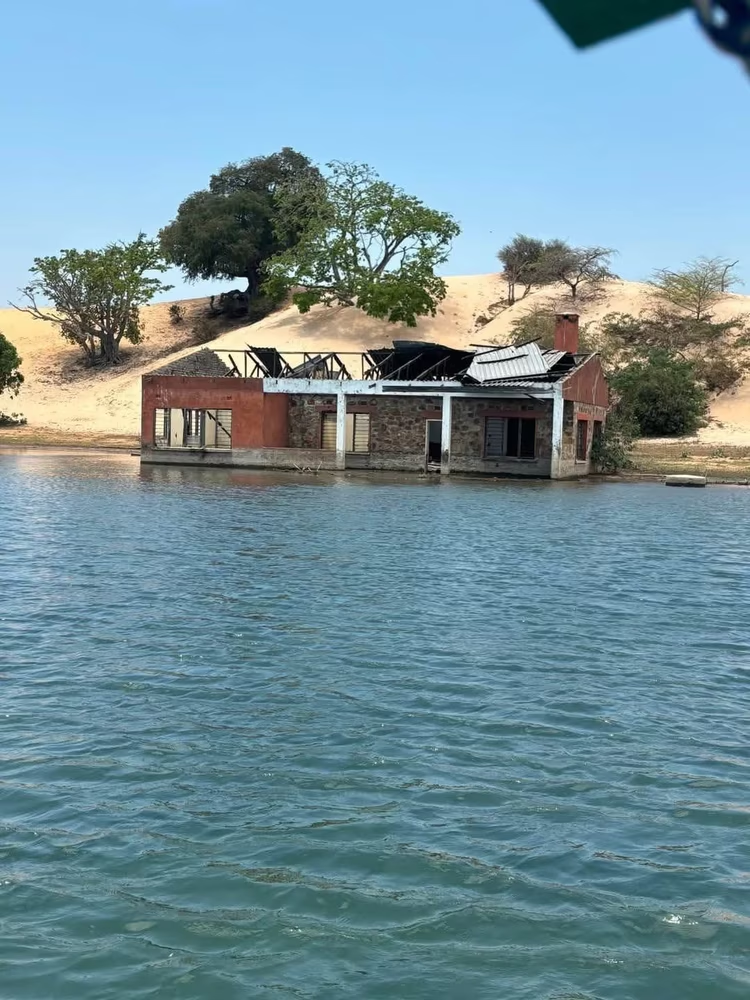
The area still teems with wildlife—crocodiles, hippos—and offers boat rides to the few visitors who come. Though the government has expressed plans to designate it a national monument. Once a symbol of presidential power, it now holds only memories of its glory days.
ZSIC's Monument to Economic Power
In Ndola town, one building dominates the skyline: a distinctive red brick tower unlike any other in the city. The building belongs to the Zambia State Insurance Company (ZSIC). ZSIC spent K10 million (pre-redenomination) to construct the massive building that became an iconic part of Ndola's skyline. The exact cost may have been higher—at the time, the Zambian kwacha was stronger than the US dollar, making such investments more feasible.
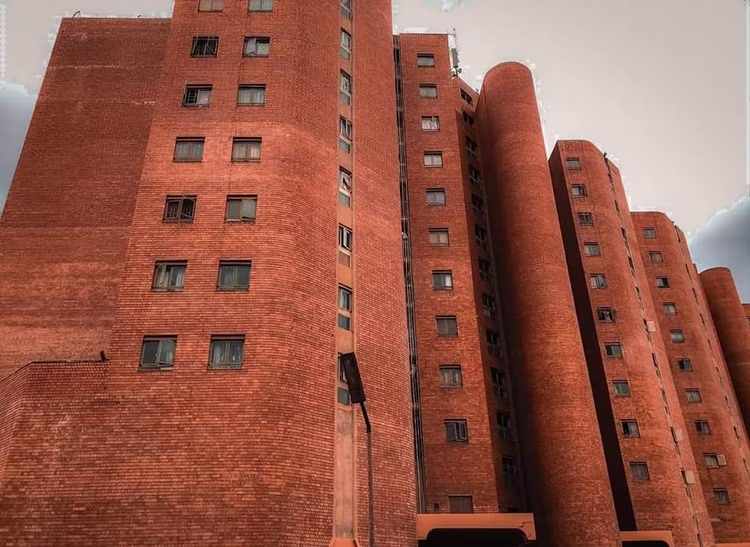
ZSIC targeted tenants who could afford monthly rent, preferring companies in line with government policy that encouraged employers to provide employee accommodation. ZSIC expanded into real estate investment, eventually offering loans to civil servants. At that time, ZSIC was a major force in Zambia's economy.
Today, the building still stands with shops at street level and apartments above. A post office that once operated there has long since closed. Tenants complain about the deteriorating interior, reminiscing about the glory days when maintenance was a top priority.
Why Zambia's Historical Monuments Are Being Forgotten
These monuments didn't choose to be forgotten. They're fading not from lack of care, but from lack of funds needed to maintain them. But their stories live on in our memories, passed from one generation to the next. By remembering these places—by telling their stories—we keep this chapter of Zambian history alive.