Southern African literature is having a moment you can't afford to miss. A Zambian writer just won one of literature's most prestigious prizes. A photographer's unseen archives are rewriting Lusaka's visual history. And novelists across the region are turning trauma, identity, and survival into stories that refuse to let you sleep. Fair warning: your bookshelf is about to buckle.
Books to Read in 2026
Every avid reader knows the struggle: a bookshelf creaking under the weight of pages while your to-be-read list grows longer and longer. To make things more complicated, here is a list of Southern African books that should top your to-be-read pile.
The Shipikisha Club - Mubanga Kalimamukwento
Starting the list strong and Zambian, The Shipikisha Club, set for release in March 2026, has been making waves long before its official release. It follows in the footsteps of its author, Mubanga Kalimakwentio, who in 2024 became the first African woman to be awarded the prestigious Drue Heinz Prize for Literature.
The Shipikisha Club is centred on Sali, a working mom of 3 on trial for the murder of her husband, said to have occurred after a heated fight between them in their bedroom. The only witness to Sali’s claimed innocence is herself. Against the backdrop of the town of Kabwe, and told through the shifting viewpoints of three generations of women — Sali, her daughter Ntashe, and her mother Peggy — the novel slowly reveals its truths. The story began long before the night of reckoning. It traces Sali’s path from resisting marriage and an ill-fated affair to a union shaped by infidelity, financial strain, and emotional abuse.
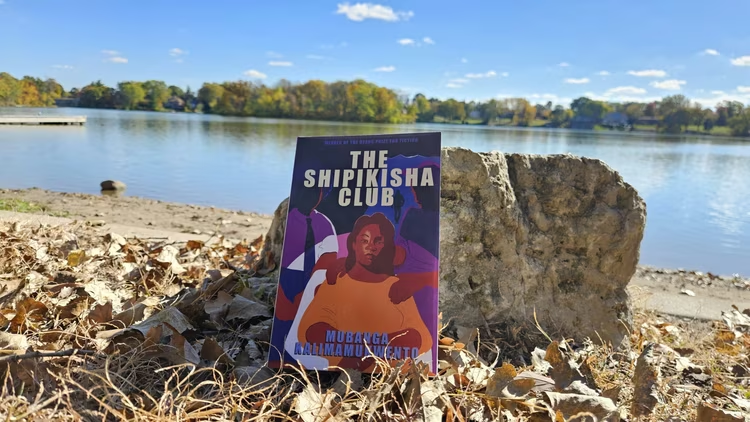
All this unfolds under societal expectations to “shipikisha.” The novel examines truth, blame, and survival, asking what happens when a woman finally refuses to endure in silence. The Shipikisha Club was the Winner of the 2024 Dzanc Books Prize for Fiction.
Lusaka Street - Alick Phiri & Sana Ginwalla
Released in 2025, Lusaka Street is even more than a coffeebook staple; it is an essential part of Zambian history. Consisting of images from the unseen archives of renowned photographer Alick Phiri and authored and curated by Sana Ginwalla, the book traces Zambia’s photographic past through Phiri’s lens, offering an intimate view of everyday urban life while documenting a moment of Black self-representation and self-determination.
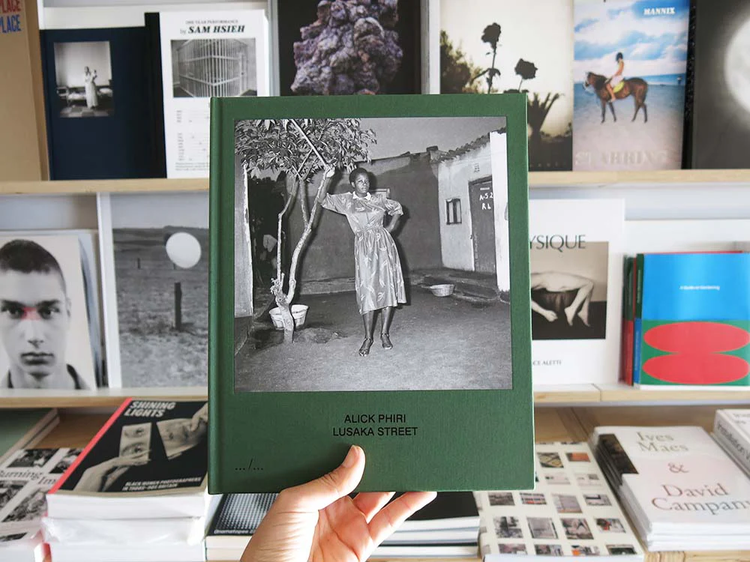
Alick Phiri was one of the few Black photographers to retain sustained access to the camera in Lusaka from the 1960s through the 1990s, a period when photographic practice in Zambia was heavily restricted, and captured in each turn of the page is a freeze frame of everyday life of the everyday people of Lusaka, taken by a member of them.
The book has received international acclaim, including being shortlisted for the esteemed Paris Photo–Aperture First PhotoBook Award. But despite that, a copy can be found, like its subjects, right here on Lusaka’s streets at Everyday Lusaka.
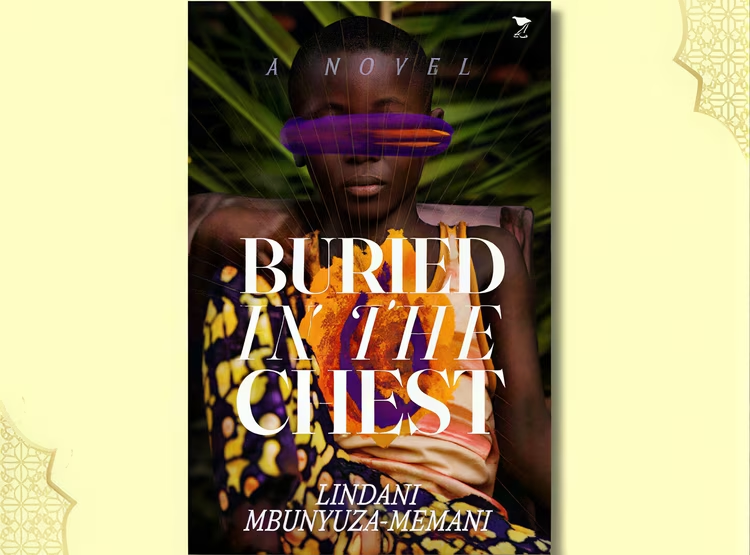
Buried in the Chest - Lindani Mbunyuza-Memani
Buried in the Chest by Lindani Mbunyuza-Memani is a novel that could only be written about South Africa. Focused on the lead character, Unathi’s search for her mother and everything else she tried to find along the way.
Digging through the intricacies of identity related to sexuality, cultural heritage and belonging and set against the scenery of a country whose present reality has been shaped by the lingerings of its past.
Uncovering the relics of Unathi’s history and who she is now, alongside key events in the country's past. Awarded the 2024 Dinaane Debut Fiction Award, Buried in the Chest is a layered, introspective novel that engages difficult themes with quiet intimacy and a deep sense of humanity.
The Creation of Half-Broken People - Siphiwe Ndlovu
And for our last recommendation, a venture into Gothic fiction, African literature, and fantasy. The Creation of Half-Broken People is the fourth full-length offering from the winner of Yale University’s Windham–Campbell Prize as well as the Sunday Times Fiction Prize, Siphiwe Ndlovu.
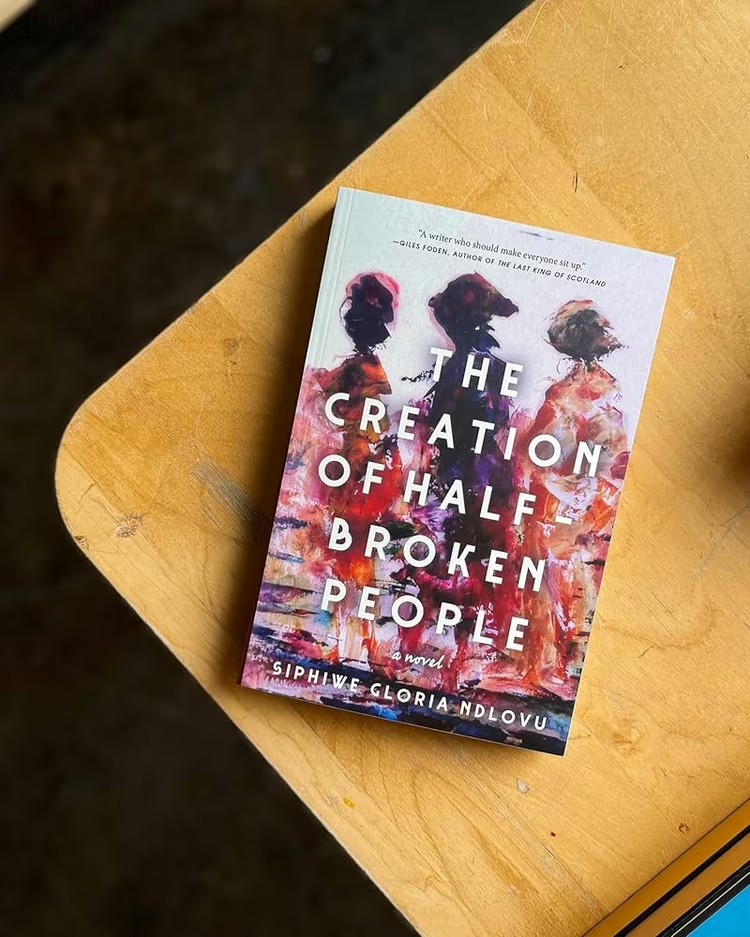
The Zimbabwean author's latest novel sees her bringing to life the tale of a nameless woman working in a museum filled with the spoils ot the “Good” families' exploits in Africa. She is content with her role until one day her encounter with a crowd of protestors outside the museum and the ancient, unreal woman leading them sends her on a journey through an attic, a haunted castle, and the women who inhabit her visions, and leads to the unravelling of her own inheritance.
The book does an excellent job of exploring real-life themes relevant to post-colonial Africa, such as political violence and state oppression, silence, complicity and survival and fragmented identity and lasting trauma in a story imbued with out-of-this-world magic.
Why African Literature Matters in 2026
Together, these books remind us why Southern African literature remains urgent, intimate, and impossible to put down. Whether through fiction that interrogates endurance, photography that preserves collective memory, or fantasy that reimagines inherited trauma, each work speaks to the region’s past and present with clarity and courage. If your bookshelf is already buckling, consider this your warning, and your invitation, to make room.