You know the drill. January arrives, motivation strikes, and you find yourself googling weight-loss plans that promise a transformation. The photos look perfect—quinoa bowls, cauliflower rice, gluten-free everything.
I really love the energy that comes with the beginning of the year. There is something about January that makes people believe again. People start over. They forgive themselves for the habits that slipped last year and decide to try once more. That alone is encouraging. You see it everywhere. People want to think better, spend their money more wisely, and, most visibly, look and feel better. Gyms fill up. Wellness programs fill your timeline. Nutrition plans trend again. Weight loss content slithers itself into your algorithm, and the statistics back it up. The beginning of the year is peak season for anything related to health, fitness, and body transformation.
Why Weight Loss Plans Fail in Zambia
Like many others, I joined the movement this year. I did what most motivated people do. I went online, researched weight loss plans, and landed on one that promised results. The language was clear, and the sellers had the bodies to show it. The foods looked clean and virtuous. Quinoa bowls, cauliflower swaps, wagyu steaks, gluten-free alternatives, carefully curated grocery lists. It felt convincing, doable. So, I took the list and went to my nearest grocery store, motivated and hopeful. That is when I got the biggest reality check.
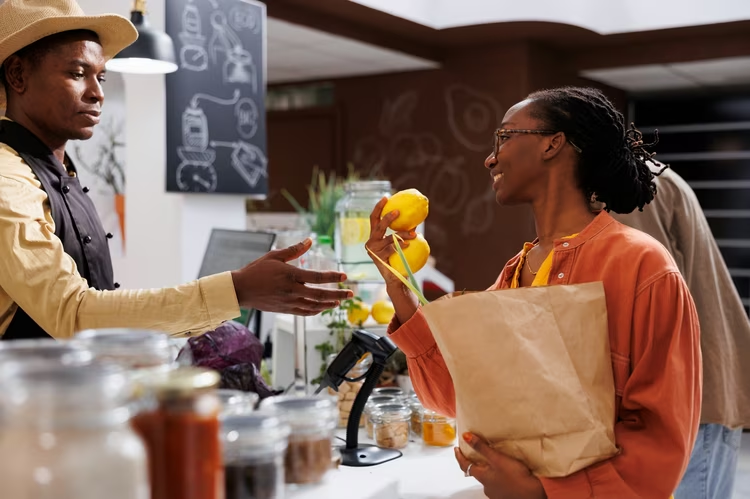
Quinoa at prices that made no sense for a staple. Cauliflower costs more than a full bag of local vegetables. Imported items labelled gluten-free sit on shelves like luxury goods. I still bought them, carefully, painfully aware of my wallet. A week later, the food was finished. The plan had stalled. I was left with two options. Quit, or continue spending money I realistically did not have. Motivation alone could not carry the cost at this point. The program was unsustainable, and not because of discipline or willpower, but because it was never designed for where I live.
When Wellness Meets Zambian Grocery Prices
That experience forced a very uncomfortable question. Who are these weight loss plans really for? Most nutritional advice online is built for international settings with stable incomes, global supply chains, and supermarkets stocked with imported health foods. In Zambia, the few local wellness programs that exist often mirror the same model: expensive, exclusive, and out of reach for the majority. Yet the desire to lose weight, manage blood sugar, improve energy, or adopt gluten-free diets is very real here.
What happens when someone wants to eat better, but the blueprint does not fit their environment or budget? The answer is not to keep chasing foods that were never meant to be staples here. The answer is to return to where we are, and to what we already have.
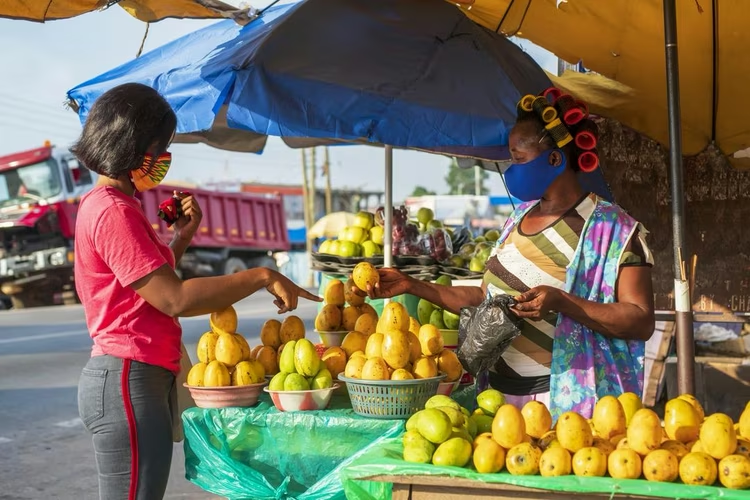
Zambia is not lacking in nutritious food. If anything, we are surrounded by it. Our markets, roadside stalls, and backyard gardens are filled with vegetables, grains, seeds, and legumes that nutrition science continues to validate. The problem is not access to food. It is the framing of what “healthy” looks like, and putting information out there that supports it.
Zambia's Hidden Nutritional Wealth
Vegetables are our greatest, and most underused, advantage. Spinach, rape, pumpkin leaves, okra, cabbage, cucumber, tomatoes, and onions are everywhere. These are high-volume foods, meaning you can eat large portions with relatively low energy intake. They stretch meals, increase micronutrient density, and improve gut health. A plate built around vegetables with a controlled starch portion is not a foreign concept. It is how many traditional meals were structured before portions shifted.
And for the aesthetic girls and gents, the ones who genuinely enjoy a good-looking plate and a meal that feels intentional, that world is still very much available without imported ingredients. A spinach and egg white wrap using a simple chapati or thin sorghum flatbread works beautifully and costs very little. Carrot ribbon salads made with a peeler, dressed with lemon, a touch of oil, salt, and crushed groundnuts, look like something pulled from a wellness blog but are made entirely from local produce. Cucumber, tomato, and onion salads can be elevated with homemade dressings using yoghurt, vinegar, or mustard, rather than bottled sauces. Even roasted vegetables, pumpkin, sweet potato, or butternut tossed with local spices, create meals that feel curated and satisfying. Healthy eating does not have to look dull or feel restrictive. It can be visually appealing, enjoyable, and aligned with personal identity, without turning into an expensive performance. When food looks good and feels familiar, consistency becomes far easier to maintain. We just have to be creative with it and free our minds from attributing local food to a backward mindset.
A few days ago, I saw a mopane worm brownie trend. Mopane worms are extremely dense in protein, and adding them to a desert is mind-blowing. Or an Impwa(garden egg) pickle? Sounds unfamiliar at first, but I think the world’s greatest gourmet foods started that way. The challenge is not identifying these foods, but learning how to use them intentionally.
Making Healthy Food Instagram-Worthy
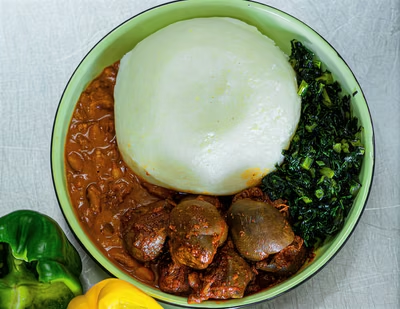
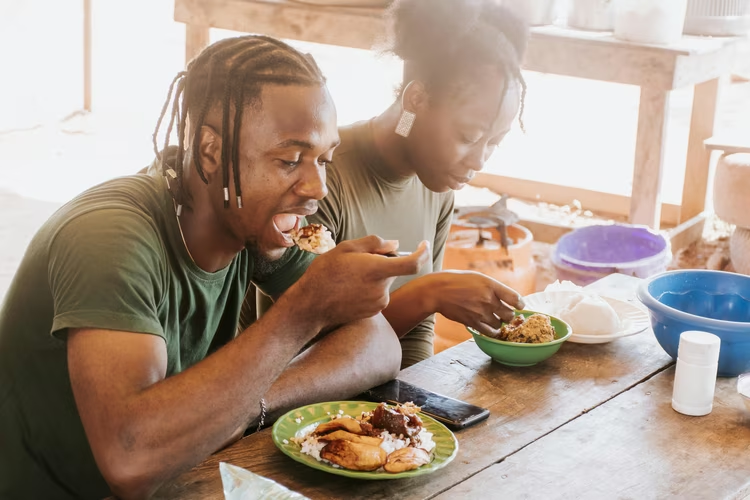
The most important conversation we need to have is about nshima. It is our staple, our comfort, our cultural identity. Removing it entirely is unrealistic, unnecessary and honestly just sad. The issue lies in portion size, preparation, and frequency. Maize-based nshima has a high glycaemic index, meaning it causes rapid spikes in blood sugar, especially when consumed in large quantities. Eating four to five lumps in one sitting, particularly at breakfast or lunch, creates a metabolic environment that promotes hunger, fatigue (probably why we’re sleepy after lunch), and fat storage later in the day.
Some alternatives respect culture while improving health outcomes. Sorghum nshima has a significantly lower glycaemic index and higher fibre content. It digests more slowly, keeps blood sugar stable, and promotes earlier satiety. Millet offers similar benefits. Even mixed grain flour approaches, combining maize with sorghum or millet, reduce the glycaemic load without abandoning familiar textures and taste.
Satiety matters. Foods that fill you faster help regulate intake naturally, without calorie counting or rigid rules. Legumes like beans and chickpeas take centre stage here. They are affordable, widely available, and rich in both protein and fibre. When combined with vegetables, they create meals that are bulky, filling, and metabolically friendly. Groundnuts and sunflower seeds, when eaten in controlled portions, provide healthy fats that slow digestion and enhance fullness.
Zambian Foods That Keep You Full
Portioning is the sneaky culprit in many health conversations. There is a long-standing social narrative, especially among men, that eating large quantities is a sign of strength. Research consistently shows that excessive portion sizes, regardless of food quality, increase the risk of obesity, insulin resistance, and cardiovascular disease. You do not need to eliminate favourite foods. You need to respect quantities. Half the nshima, more vegetables, adequate protein, and slower eating habits change outcomes more reliably than expensive substitutions.
Breakfast deserves special attention. High glycaemic breakfasts set the tone for the entire day. Alternatives like oats with groundnuts and fruit, sweet potatoes with eggs, bean-based breakfasts, or sorghum porridge with flaxseed provide sustained energy without spikes. These are foods that exist here. They are familiar. They simply need to be reintroduced with intention.
The most encouraging truth is this. Sustainable weight loss in Zambia does not require imported labels or elite programs. It requires alignment with our environment, our economy, and our culture. We live in an agricultural country. Fresh food is not hidden behind glass shelves. It is sold on the roadside, harvested locally, and grown seasonally.
The future of healthy living here depends on reframing wellness as something that starts on our plates, with what we already know, and what we already grow. When weight loss advice respects context, it becomes achievable.