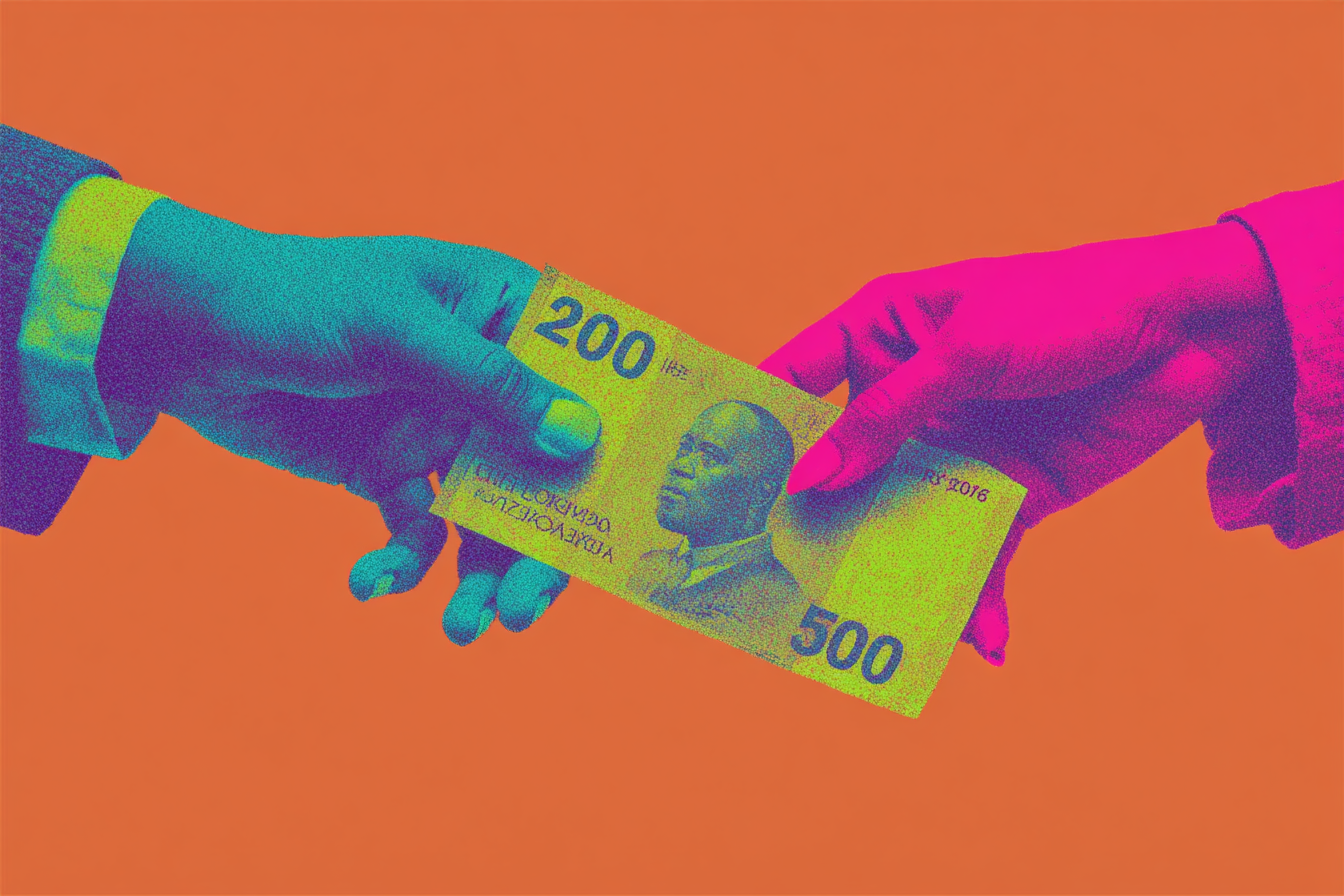
What started as friendly wagers under shady trees has exploded into a digital epidemic. As betting apps sweep through Zambia, promising instant wealth with a single tap, experts warn of a generation quietly gambling away their futures. From university campuses to government chambers, the stakes have never been higher.
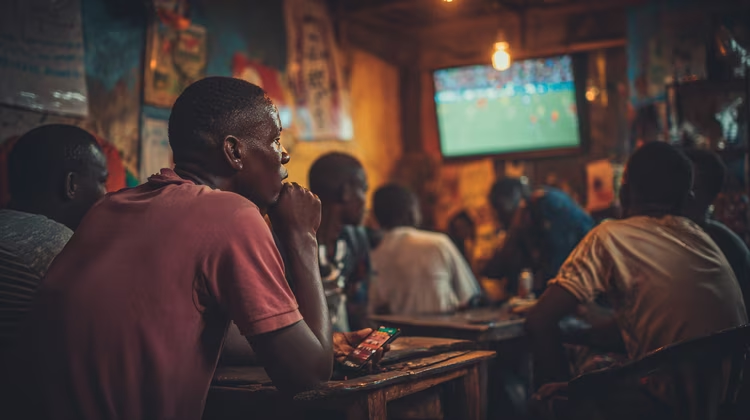
Betting has long been woven into the social fabric of Zambia, riding on the coattails of the country’s enduring love affair with football. On weekends, bars and dusty township corners came alive with animated chatter as groups of men gathered beneath shady trees, arguing over lineups and final scores. Wagers were sealed with a handshake. The dominant form was paper coupons or football pools results published in newspapers or read out over the radio. Local agents kept ledgers thick with bets, sometimes scribbling odds in chalk across boards outside small kiosks. Cash changed hands, and days later, the lucky few would return to collect their winnings from the same familiar faces.
How Smartphones Transformed Zambian Betting Culture
Then came the smartphone boom of the 2010s, and with it, an entirely new landscape. Betting apps swept through the country, transforming a once social ritual into something private and instantaneous. No longer did one need to seek out the neighbourhood bookmaker or linger at the bar; a single tap on a screen could place a wager and, with luck, turn a few kwacha into a small fortune. Social media influencers fanned the flames, selling dreams of easy wins and fast money. Lost in the noise, however, was any real discussion about the addictive pull of gambling or the quiet psychological cost that often followed the thrill.
Yet beneath the glamour of quick wins and the thrill of possibility lies a darker undercurrent - one that experts warn is quietly consuming a generation. In an interview with Lusaka Star, financial analyst Kelvin Chisanga cautions that the illusion of easy wealth is costing young Zambians their futures. “People have disposable income which they need to put into productive activities,” he says. “If they throw that money into gambling, where they are unlikely to win, they’re pushing themselves into destitution. It affects their personal income and social status.” According to Chisanga, the trap runs deep: once caught in the cycle of losses and hope, escaping becomes harder with time. The Betting Association of Zambia has echoed similar concerns, noting a rise in the number of young people spending more time and money on betting than on any meaningful or income-generating pursuits. “Betting is not a way to earn a living,” Chisanga emphasises. “Life should be built on strong, consistent input into meaningful activities.”
The Psychological Toll of Betting Addiction
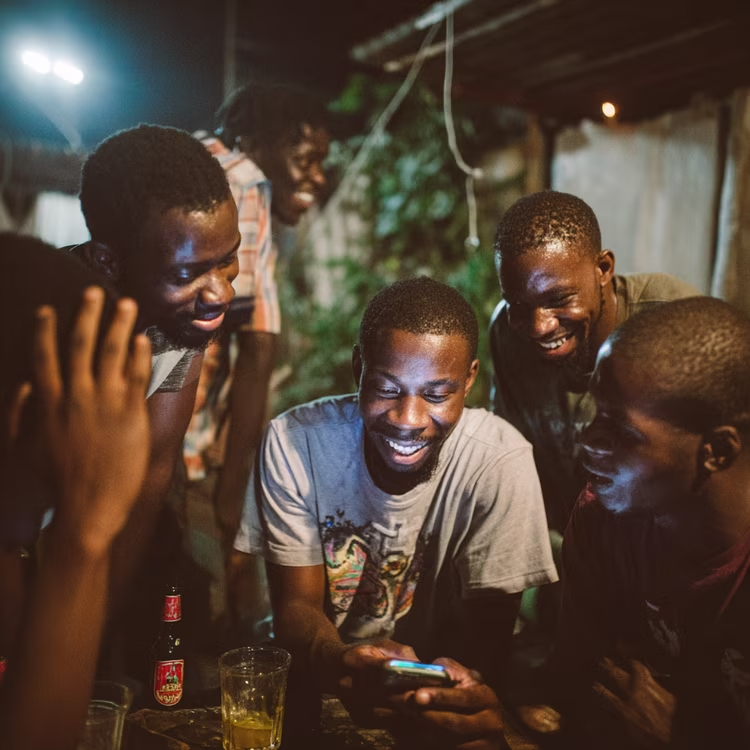
The damage, however, is not just financial. Mental health advocate George Tafuna says the psychological strain that comes with gambling is often underestimated. “When someone bets a large sum and loses, the stress and anxiety can be overwhelming,” he explains. “That emotional loss, combined with the financial blow, often leads to depression.” The weight of repeated failure can push individuals to withdraw from family, friends, and daily life. Some, Tafuna adds, turn to alcohol or drugs as a way to dull the pain. “People start relying on the dopamine rush that comes from the excitement of betting,” he says. “It becomes a dangerous cycle, chasing the same high that caused the fall.”
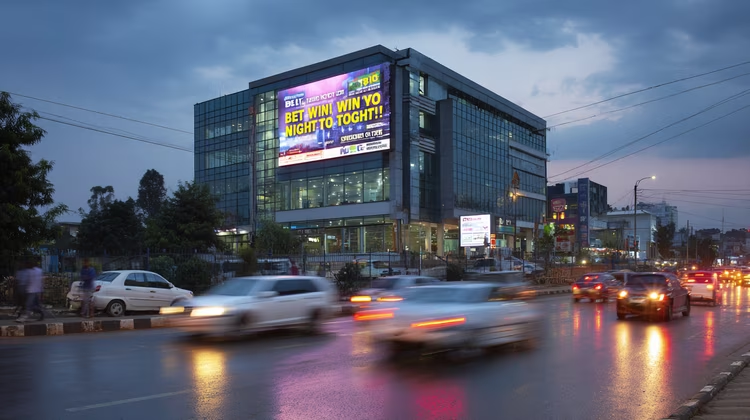
Meanwhile, the very companies that analysts and advocates warn about are ramping up their marketing budgets in Zambia. Firms such as Betway have rolled out high-profile partnerships with mobile-money providers to emphasise convenience and modernity. International operators arrived in Zambia with splashy launch events, global sports-sponsorship credentials, and promises of "thousands of markets" and "hundreds of games". Many use bright-coloured adverts on TV, radio, and billboards in multiple local languages. Their message is crafted to frame betting as fun, accessible, and even sophisticated, rarely as the hazardous gamble that experts say it can become.
University Students and Sports Betting
The pull of betting runs deepest among the young, and nowhere is this more evident than on university campuses. A study published in the Medical Journal of Zambia by Waqas Ahmed Sheikh found that advancing internet access and smartphone technology have dramatically increased sports betting among students at the University of Zambia. With mobile apps making it possible to wager as little as one kwacha, students are lured by the promise of turning pocket change into a fortune. For many, betting is perceived as a form of survival. The study notes that most students engage in betting to supplement their meagre allowances from parents or guardians, with the hope that a single lucky ticket might cover their daily needs. But the consequences stretch far beyond lost money. The research highlights a range of psychosocial effects tied to gambling among students, including anxiety, depression, impulsivity, substance abuse, and even personality disorders. As academic performance declines and social relationships fray, some spiral into chronic mental health challenges. Yet few seek medical help partly due to a lack of awareness about gambling addiction and partly because internet gamblers, the study found, are even less likely than others to pursue treatment. Sheikh’s report calls for urgent policy intervention: stricter regulation of betting advertisements and protective measures to reduce exposure.
Even as concerns about gambling’s social toll mount, the business of betting remains a high-stakes game of its own, one increasingly shaped by government policy. In early 2025, one of Zambia’s biggest operators, Betway, temporarily suspended its operations following the introduction of a 10% excise duty on betting stakes. The company described the new tax as making the business environment “no longer fair or sustainable” for both the platform and its customers. The impact was immediate: Betway not only paused its services but also pulled the plug on its K10-million-per-season sponsorship of the Zambian Premier League, a partnership that had helped elevate local football’s visibility since 2023.

In a statement, Betway assured users that their funds remained secure and that open bets would still be honoured, yet the move sent ripples through both the sports and gambling communities. Alongside fellow operator BetPawa, Betway petitioned the Constitutional Court to halt the tax’s collection, arguing it was unconstitutional and economically damaging. The court dismissed the request, allowing the Zambia Revenue Authority (ZRA) to continue enforcing the duty. Industry insiders warn that while the tax aims to boost state revenue and curb excessive gambling, it may also drive smaller operators underground or push bettors toward unregulated offshore platforms. For now, Betway insists its suspension is temporary, promising to return “once a fair and balanced solution is reached.” But its exit underscores a deeper tension between the government’s bid for control and an industry built on constant motion, where even regulation can feel like a gamble.
What began as a social pastime under village trees has evolved into a multibillion-kwacha digital industry - one that reaches into living rooms, classrooms, and the palms of young people’s hands. For many, the promise of quick wealth remains irresistible, even as evidence mounts of its psychological and social costs. Experts call for stronger regulation, public education, and a national conversation about gambling’s true price. But until that happens, the flashing ads and easy wins will continue to blur the line between entertainment and entrapment, leaving countless Zambians chasing fortune in a game where, more often than not, the house still wins.