On September 18, 1961, a DC-6 aircraft carrying UN Secretary General Dag Hammarskjöld crashed in the forests near Ndola, killing one of the most influential diplomats of the Cold War era—the official verdict: pilot error. But eyewitnesses spoke of sparks in the sky, a smaller plane giving chase, and a man left to die without medical care. Six decades later, newly uncovered documents and suppressed evidence suggest the crash that changed UN history may have been no accident at all.
One of the most pervading mysteries in Zambian and world history has lain in the details behind the tragedy that took the life of UN Secretary General Dag Hammarskjöld. The 1961 plane crash that took place only 10 kilometres from Ndola in what was then Northern Rhodesia, despite being solved, still draws a wide range of conspiracies and confusion regarding what really happened.
Who Was Dag Hammarskjöld?
Dag Hammarskjöld became Secretary General at a time when the UN was still a relatively new force in the world, rising to leadership at the height of the Cold War and at a time when many African and Asian nations were gaining independence and establishing themselves as new states. Tensions and interests were high, and the world needed the UN to act as a neutral mediator between the superpowers and to help manage the instability of decolonisation. Hammarskjöld excelled at this, gaining a reputation as someone who blended strong moral conviction with diplomatic finesse in addressing global challenges.
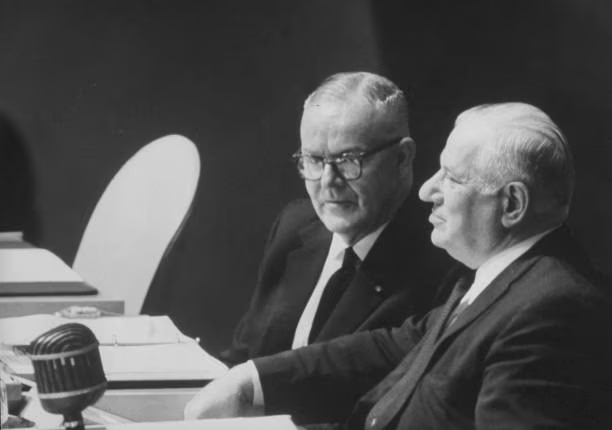
It was Hammarskjöld who developed peacekeeping as a practical tool — a middle ground between inaction and all-out war. It was Hammarskjöld who insisted that the UN should serve the principles of its charter rather than be swayed by the financial and political influence of its most powerful member states. And it was Hammarskjöld who was attempting to resolve the Civil strife that had erupted in the newly independent DRC, which had become an extension of the Cold War, with the US and the Soviet Union each backing different sides in the unrest.
The 1961 Ndola Plane Crash
So when Hammarskjöld’s plane went down in a forest on the 18th of September 1961, on his way to Katanga ( a province of the former Belgian Congo that had declared itself an independent state), killing everyone aboard except one person, suspicions arose. In his commitment to neutrality and unwillingness to be swayed, Hammarskjöld had become a thorn in the side of many nations. That, coupled with a few mishandlings of the site and potential witnesses, made the explanation provided by both British colonial authorities and the UN of pilot error due to a dimly lit night hard to grasp for diplomats and the general public.
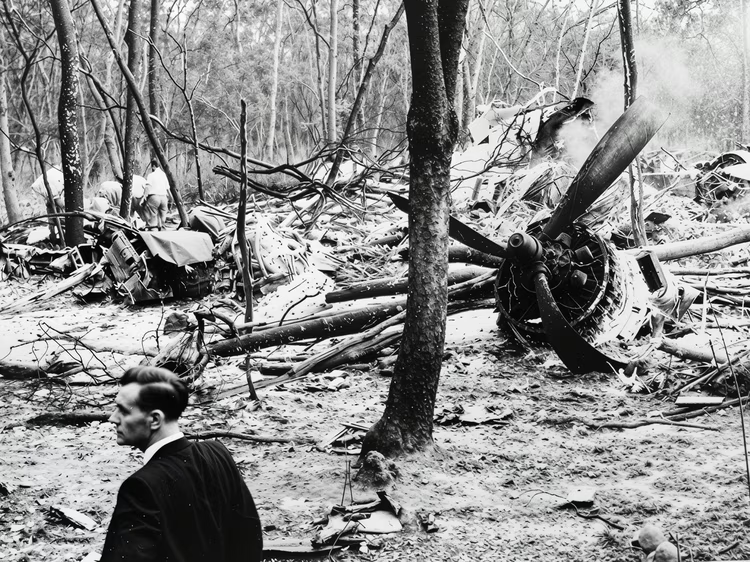
When Swedish aid worker Göran Björkdahl re-interviewed villagers around the crash site in 2011, he noticed a strong consistency in their accounts. Several witnesses described seeing a smaller plane “chasing” the DC-6 before a flash of light “like fire in the sky,” which caused Hammarskjöld’s aircraft to crash. Dickson Mbewe, one such eyewitness, recalled that soldiers were already guarding the wreckage by dawn and that locals were ordered away. Others claimed that a man, believed to be Hammarskjöld, was still alive when they arrived, but did not receive immediate medical help. These recollections have revived doubts that the official story may have been shaped to hide what truly happened over Ndola that night.
Why Was Harold Julian Left to Die?
Harold Julian, an American sergeant in Hammarskjöld’s security detail, was the only person to survive the crash. When rescuers reached the site hours later, Julian was badly burned but conscious. Witnesses said he spoke of seeing sparks in the sky and hearing an explosion before the crash—details at odds with pilot error. Julian survived briefly. He was not sent to a major facility but to a small Ndola hospital. He lingered for five days with minimal care before dying. Years later, Dr Mark Lowenthal, one of the doctors, called it a professional failure. He wondered why the only living witness was not evacuated or treated more urgently. Further review has added more questions. The air traffic report was filed over 30 hours late. Authorities said no recordings remained from the new Ndola control tower. For many, such mistakes looked less like incompetence and more like concealment.
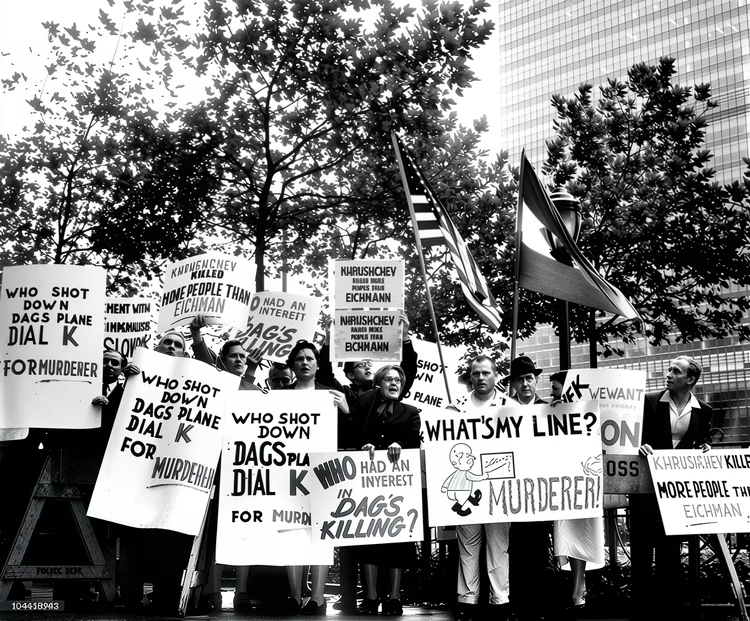
New documents have added to the controversy. Researchers have cited intercepted radio messages in which a mercenary pilot allegedly claims to have “made a run” at Hammarskjöld’s plane. Diplomatic cables suggested that the West was uneasy with Hammarskjöld’s Congo policy. A later UN review found that much information—flight logs and intelligence recordings—was still withheld by member states. Whether these records will confirm or debunk the theories is unknown. What is clear is that Hammarskjöld’s death remains suspended between tragedy and political murder. The search for truth has become an inseparable part of his legacy.
Remembering the Man Behind the Mystery
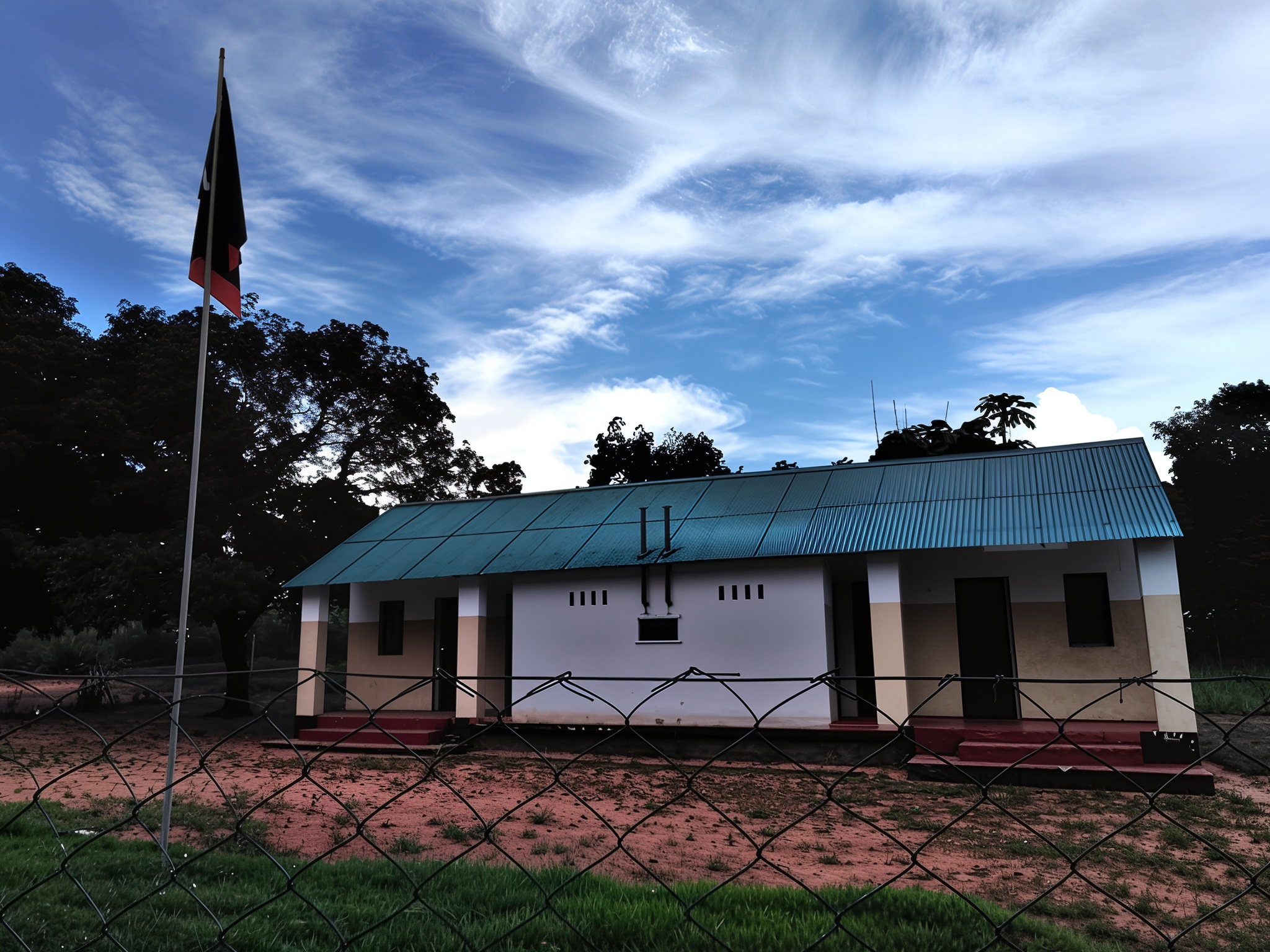
A monument exists to Dag Hammarskjöld at the site of the crash. There is a garden and a museum filled with materials and books about the life of the man and his role in the world. Despite the tragic ending of his life and the questions that surround it, the positive impact that Dag Hammarskjöld had on both peacekeeping in the world remains as concrete as the building that stands in his name.