From declared extinction to thriving populations—Zambia's conservation story is one of remarkable recovery. Discover how community scouts, carbon projects, and rescue initiatives are protecting black rhinos, elephants, pangolins, and a million hectares of forest, creating a blueprint for sustainable wildlife protection across Africa.
Picture this: by 1998, Zambia's black rhinos were nearly extinct. Just decades earlier than that, the country had boasted Africa's third-largest population. But here's the remarkable part: they're back. So how did Zambia pull off one of conservation's greatest comebacks, and what else is happening to protect the country's extraordinary wildlife?
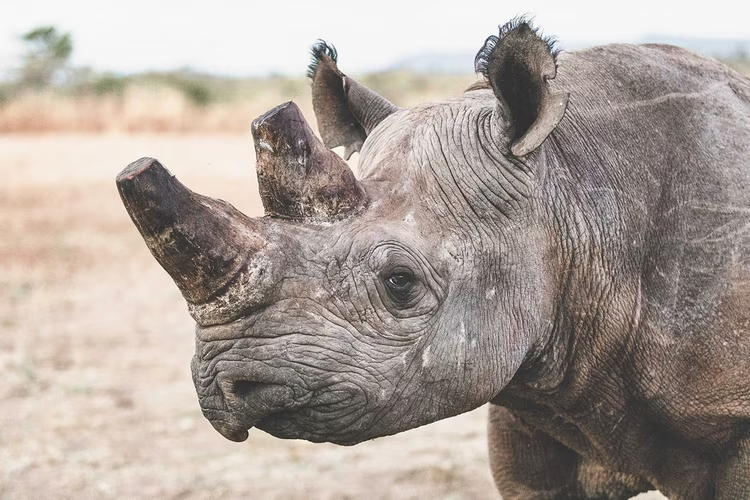
Did you know that Zambia's black rhinos were heading towards extinction from the 1960s onwards, until by 1998, they were officially declared extinct?
So, what brought them back, and what other environmental priorities should we know about?
Zambia's Conservation Revolution
In the late 20th century, animals were going extinct, and the burning of forests for income went largely unchallenged. But since the 2000s, efforts to protect wildlife, control hunting, and preserve our forests have become serious priorities, with increased support, donations, community collaboration, and public awareness. Let’s look at some of these programs that are shaping a sustainable future for Zambia’s wildlife and wild spaces.
How Zambia Reversed Rhino Extinction in North Luangwa
Founded in 1986, the North Luangwa Conservation Programme’s mission is to protect the North Luangwa ecosystem and its people. The ecosystem itself also contains immense water resources, one of Africa’s few remaining undammed rivers. Nestled at the centre is the North Luangwa National Park, home to the country’s only population of black rhino.
During the 1960s, Zambia’s black rhino population was the third-largest in Africa. However, relentless poaching led to black rhinos being officially declared extinct in Zambia by 1998. But thanks to the dedicated efforts of the North Luangwa Conservation Programme (NLCP), poaching was brought under control, and by 2001, a proposal was put forward to reintroduce black rhino to the National Park.
In 2003, the first five black rhinos were translocated to the park; ten more arrived in 2006, five in 2008, and another five in 2010—re-establishing a viable population of black rhino in Zambia.
Protecting Lower Zambezi Elephants
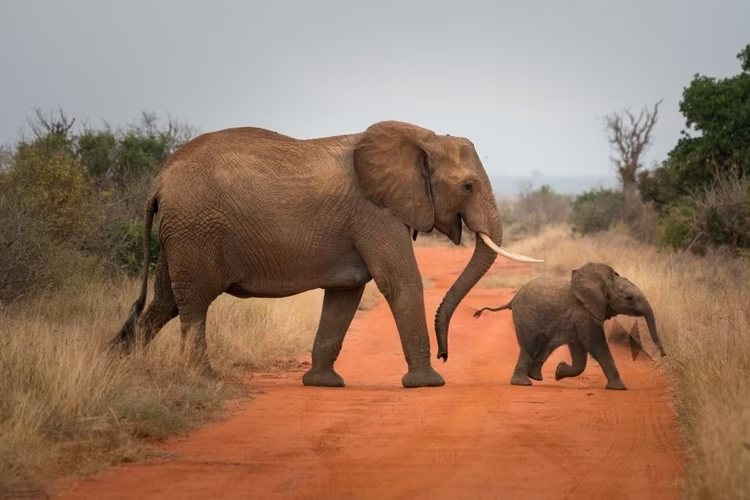
The Lower Zambezi Area Management Unit is one of the last remaining African savannah elephant strongholds. In response to wildlife crime and trafficking, K9 and Rapid Response Units were deployed to help in law enforcement. Trained for both tracking and detection of illegal wildlife products, including ivory, bushmeat, pangolin, rhino horn, rifles, ammunition, and various pelts, the dogs conduct vehicle searches with their handlers at checkpoints, eliminating channels of movement for illegal wildlife products.
Protecting 1 Million Hectares of Forest
Zambia’s West Lunga ecosystem has 1 million hectares of forests under community management and ownership. Zambian carbon analysts work with these communities to prevent deforestation and the resulting carbon dioxide emissions. The project is creating clear incentives to protect and preserve these vital ecosystems—ensuring that forest conservation delivers real, lasting benefits for the people who depend on them.
The West Lunga Area Management Unit (WLAMU) has formed various community business units to generate revenue through community game ranching, tourism, sustainable honey production, non-timber forest product commercialisation, and carbon offset trading.
Pangolin Rescue Programmes
Wildlife criminal networks often try to use Zambia as a transit route through which to transport illicit products to their destinations in Asia. Pangolins are often rescued alive from the illegal wildlife trade because live pangolins can reach a higher price in some markets. Pangolins are hunted for food, for use in traditional medicine, and as fashion accessories. Zambia, surrounded by eight countries with porous borders, is both a source country for wildlife products and a major trade route for a wide range of illegal contraband.
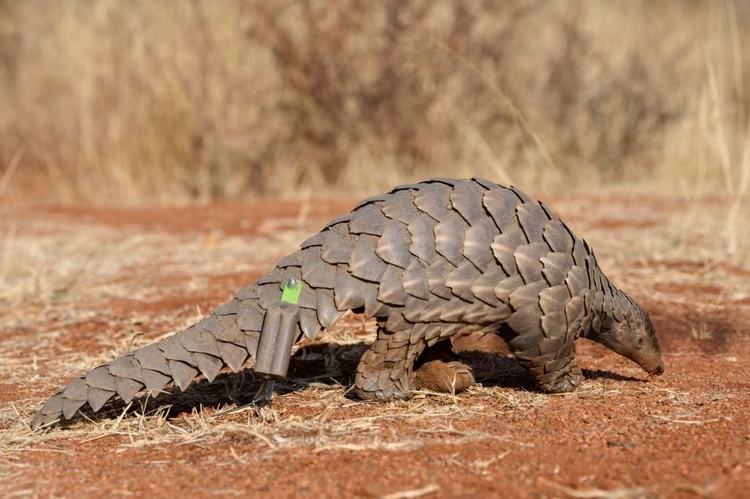
Wildlife Crime Prevention (WCP) in Zambia is conducting work to increase the survival chances of rescued pangolins. The large-scale illegal trade in Asian pangolins is drastically driving down their numbers throughout Southeast Asia. Rapid loss and deterioration of available habitat places add pressure on the dwindling numbers of remaining pangolins.
The Future of Conservation in Zambia
Progress in protecting our environment has come a long way. Through continued determination, community engagement, and support, the preservation of Zambia's natural heritage will deliver lasting benefits for wildlife, local communities, and future generations.