Forget what you know about Zambia's well-trodden paths. Journey to Mbala, the nation's oldest district, where the echoes of history are still palpable. This is where the final surrender of World War I took place, where colonial ambition met African resilience, and where a quiet town today guards secrets of a dramatic past. From weapons lost at the bottom of a lake to the stoic elegance of century-old architecture, discover the untold stories of Mbala—a place where history isn't just remembered; it's felt.
The Story of Mbala
When you think of Zambia, what comes to mind first? Is it Lusaka’s busy pace or the thunder of Livingstone’s falls? Few towns are recalled for what they truly are. Tucked near Zambia’s northernmost frontier, Mbala is rich with stories of colonial ambition, wartime events, and history yet to be uncovered.
Before districts and borders formed, Bemba-speaking communities filled the land now called Mbala. Traders, chiefs, and villagers crossed the plateau above Lake Tanganyika under Chief Zombe’s rule. In 1890, the area became the Tanganyika District under the Central African Authority. By 1893, British South Africa Company administrators had arrived, building a fortified boma on the former chief’s village. The town was renamed Abercorn for the Duke of Abercorn and became North-Eastern Rhodesia’s centre. Its highlands provided cool air, commanding views of the lake, and drew both administrators and soldiers.
Mbala's Pivotal Role in World War I
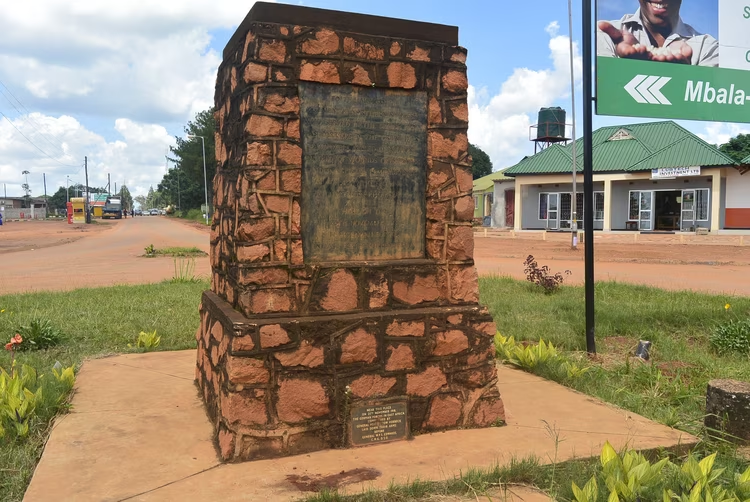
The First World War surprisingly turned Abercorn into a pivotal stage. From this northern plateau, British forces confronted German troops from East Africa. On 25 November 1918, the German commander Paul von Lettow-Vorbeck surrendered, marking Mbala as one of the final points of the Great War. The surrender left its mark with weapons thrown into Lake Chila that are believed to lie on the lake’s bed. You can find these stories carefully preserved at the Moto Moto Museum, and the war memorial standing solemnly at the town’s heart, commemorating nearly 1,500 native carriers who had given their lives.
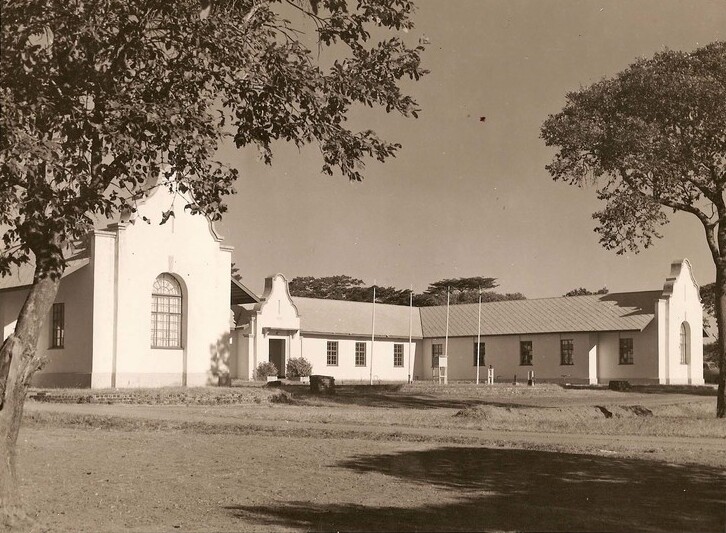
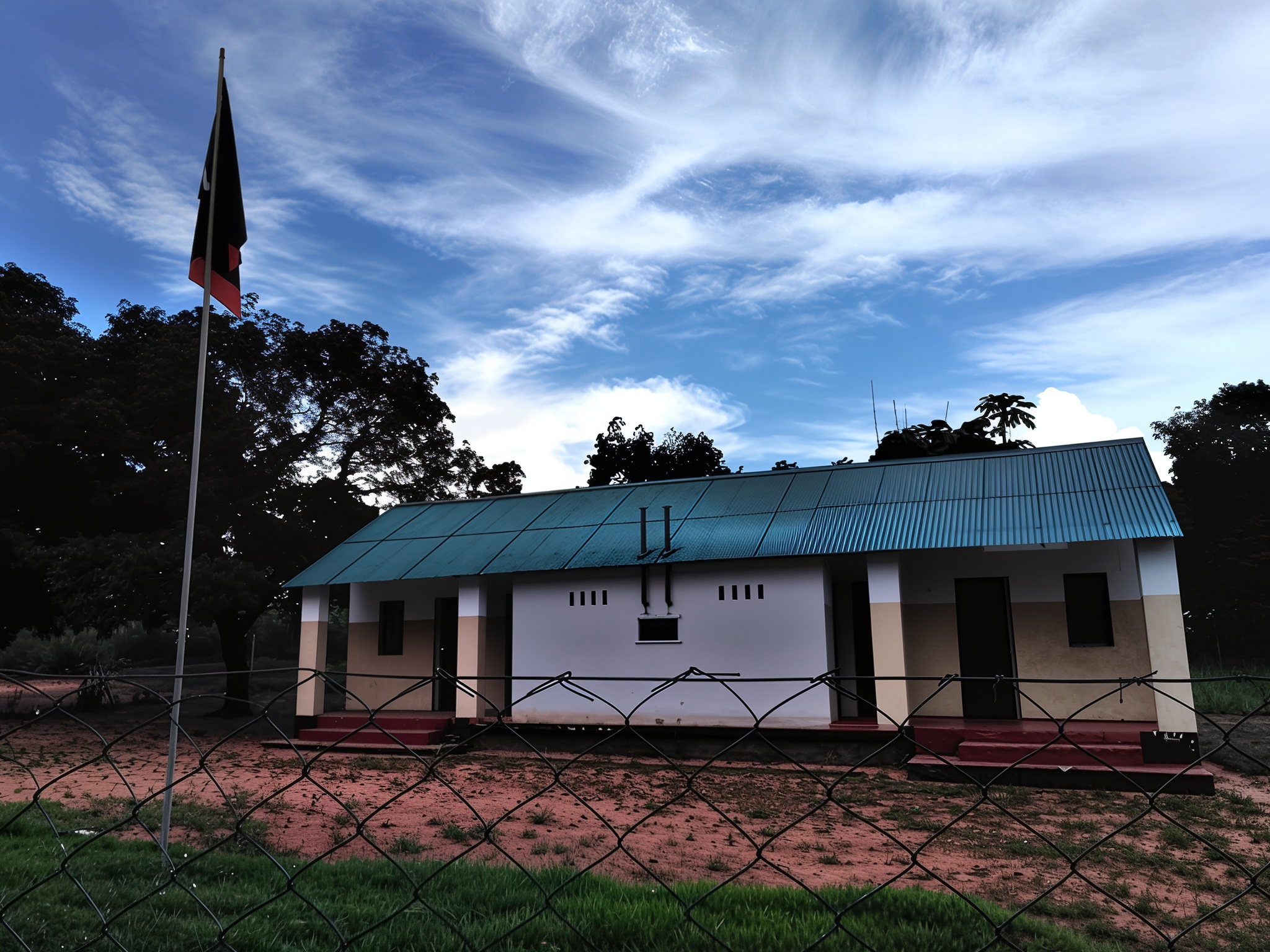
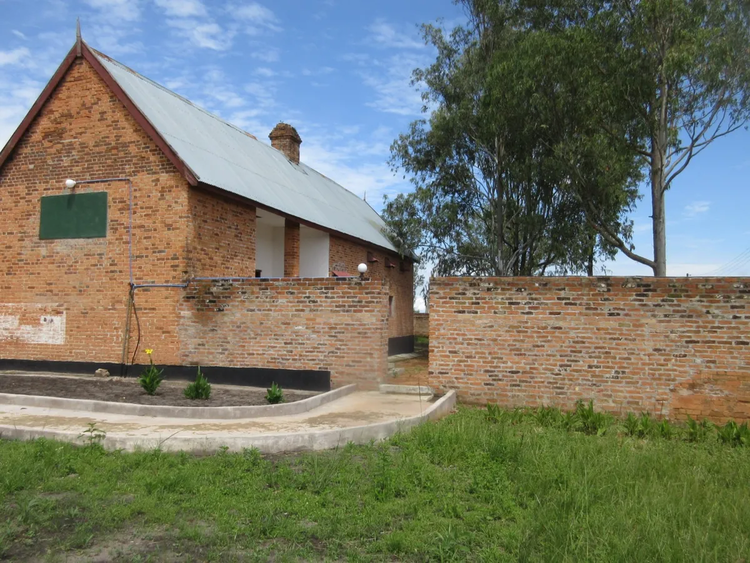
In its administrative heyday, Mbala was a town defined by presence and purpose. Streets stretched uniformly, lined with low red-brick bungalows, and wooden shutters slightly warped from years of wind and sun, still holding their stoic elegance. The old prison, built in 1912, boasts simple symmetry, its stone and mortar radiating history and endurance. Churches with bell towers standing high, their walls painted in muted pastels that had faded with time, and colonial officers’ residences sat behind iron gates, their verandas catching the first light of dawn. Walking these streets today, it is possible to feel the echo of life.
From Abercorn to Mbala
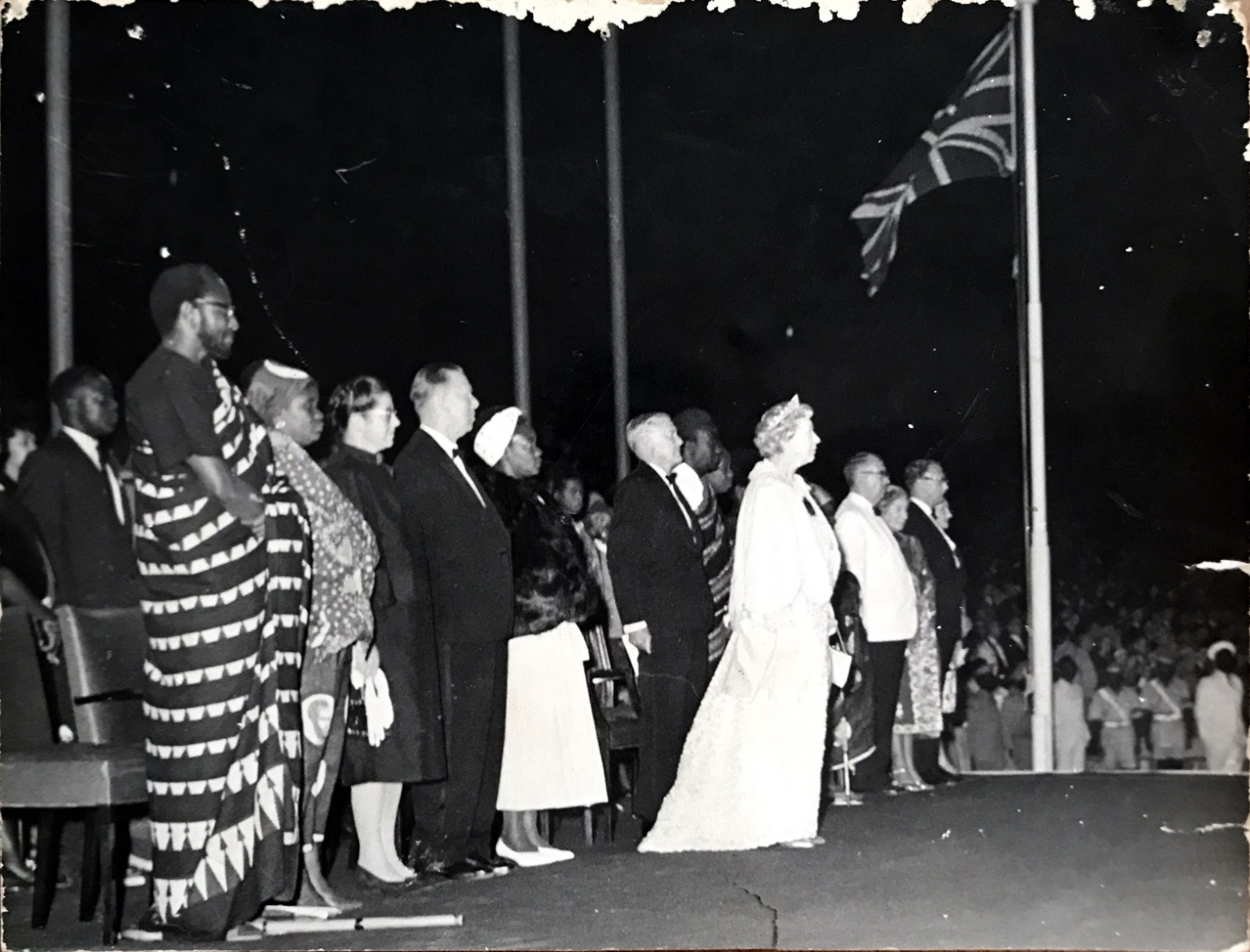
After Zambia’s independence in 1964, Abercorn returned to its indigenous name, Mbala, drawn from the bushbuck species (imbala) once abundant around Lake Chila. Though transport and trade routes gradually shifted in favour of other towns, Mbala retained its dignity. The administrative buildings, the war memorial, and the Moto Moto Museum stand as guardians of memory, each structure holding fragments of colonial governance, wartime vigilance, and local resilience. Today, the town is calm, the streets less hurried, yet it has so much hidden potential.
Mbala Today
In the evenings, you can sometimes hear people singing in Bemba across the highlands, moving through this quiet town. It passes by the old red-brick buildings that have stood through the test of time, and it reaches the grounds of the Moto Moto Museum, where this history is carefully preserved. The land around Mbala stays generous, and Lake Chila takes the morning light in a steady glow that tells you the day has begun. The escarpment changes with the sky, and the road to Kalambo Falls follows the season in the way people here instinctively know. When you spend enough time in the town, the small details start to stand out, like the way a veranda warms just before sunrise or how fishermen call to one another on the water with a kind of ease that never feels rushed. These gentle moments link the history of the place with the life that continues around it.