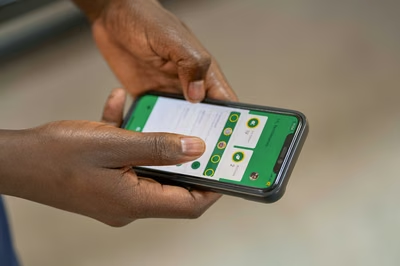
Every January tells the same story: the fun is over, the money is gone, and school fees are due. December's generosity has a way of turning into January's crisis—empty accounts, mounting bills, and the sinking realisation that you spent three months of rent on a two-week holiday. But it doesn't have to be this way. With a bit of planning and discipline, you can enjoy KeDezemba fully and still start the new year strong.
By mid-January, the regret sets in. The December fun is over, but the bills remain; school fees, rent, insurance, all due at once. Your account balance tells a story you'd rather not read, and you're left wondering how two weeks of celebration could cost three months of peace. But without disciplined spending, December's joy becomes January's burden. Here's how to enjoy the holidays without sacrificing your financial stability.

Set Aside January Money Before December Spending Begins
December tempts you to spend like there's no tomorrow, but January arrives with bills that demand payment. The key to avoiding January stress is simple: pay yourself first.
Consider this common scenario: A landlord receives three months of rent in advance from a thoughtful tenant and immediately thinks, "I'm going to spend this in December!" This illustrates two different mindsets:
Smart thinking (tenant's perspective): Paying three months of rent in advance removes January stress and allows for guilt-free December enjoyment.
Short-term thinking (landlord's perspective): Spending three months' income in one month without planning sets up a financial disaster.
Before you spend a single kwacha on December fun, set aside money for these essential January expenses:
- Education: School fees, books, uniforms, and shoes all become due in January, when shops raise prices and schools reopen.
- Transport: Bus fare or fuel costs for school runs.
- Vehicle expenses: Road tax, insurance, and fitness certificates are often due in January.
- Utilities: Electricity, water, and refuse collection.
- Rent: If you paid late in December due to holiday spending, you'll face double rent in January.
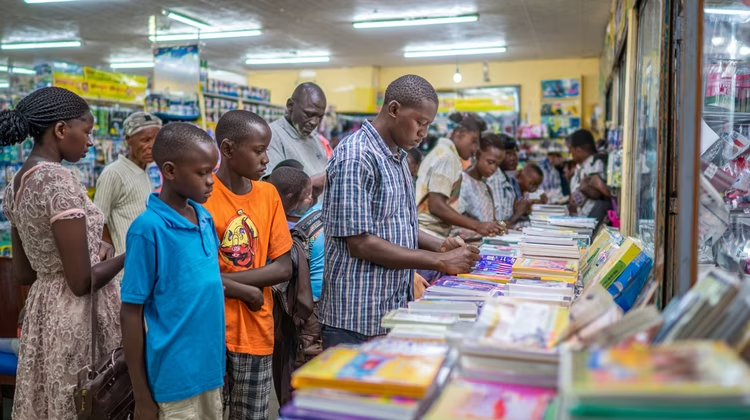
Pro tip: Open a separate account or use mobile money to lock away January money where you can't easily access it during December temptations.
Planning December Holidays Without Breaking Your Budget
Where are you going to spend your holidays? Is it a fall, a safari, another province, or international travel?
Before you book anything, consider these costs:
- Home security: Is your house properly secured? You don't want to return to a burglary and face the cost of replacing stolen items.
- Accommodation: Compare lodge and hotel prices early and book in advance for better deals.
- Meals: Restaurant prices at tourist destinations can be triple the normal rates. Budget accordingly, or pack some non-perishable food items to supplement expensive restaurant meals.
- Power banks: With loadshedding unpredictable, bring reliable power banks from home rather than buying overpriced or poor-quality ones at tourist spots.
- Transport: Budget for fuel if driving, if flying, book tickets early for better rates.
- Activities: Safari fees, Falls entry, and boat cruises add up. Check prices in advance and prioritise which experiences matter most.

Hidden cost alert: Many people budget for the trip but forget about the expenses when they return home like restocking groceries, vehicle maintenance after a long drive. Add 10-15% to your travel budget for post-holiday costs.
Budgeting for Family Visits During the Festive Season
Whether family is coming to you or you're travelling to them, budget for:
- Gifts: Check for Black Friday or pre-Christmas sales before December. Remember, thoughtful gifts don't have to be expensive.
- Food: Buying ingredients in bulk to prepare multiple meals is cheaper and feeds more people than purchasing individual prepared dishes at restaurants. Plan your menu and shop at wholesale markets for better prices. A single large grocery shop is more economical than frequent trips to restaurants.
- Entertainment: If hosting, plan low-cost activities like board games, outdoor gatherings, or potluck meals where everyone contributes. The goal is quality time, not expensive outings.
- Unexpected guests: Always budget 20% extra for the cousin who shows up unannounced or the friend who extends their visit by three days.

Start 2025 Strong: Your December Spending Checklist
Here's your action plan for a financially healthy December and January:
- Calculate your total January expenses (school fees, rent, insurance, utilities).
- Set that money aside NOW before December spending begins.
- Create a separate December entertainment budget and commit to not exceeding it.
- If planning travel, get quotes and book accommodation early.
- Shop for gifts and bulk groceries.
- Build in a 10-15% buffer for unexpected costs.
- Track your spending throughout December by using mobile banking apps to monitor your balance.
These are starting points that you can adapt to your lifestyle. The goal isn't to avoid enjoying December—it's to enjoy it without waking up to financial regret in January. With a little planning now, you can have your cake and eat it too: full December fun and a strong start to 2025.
Your future self will thank you.