For years, Zambia carried the weight of a label no nation wants: debt default. It meant locked-out credit markets, nervous investors, and a fiscal stranglehold that consumed 30% of government spending, triple what went to education and health combined. But this year, something shifted. S&P officially removed Zambia from its default list, marking the end of a chapter and the tentative beginning of economic recovery. Here's how we got here, what it took to escape, and what this means for ordinary Zambians.
Zambia Exits Debt Default
S&P Global Ratings, one of the world's leading credit rating agencies, has officially removed Zambia from debt default status. The move marks the end of years of economic hardship and signals a potential fresh start for the nation.
But how did Zambia fall into default in the first place? And more importantly, what does exiting it actually mean for ordinary Zambians?
How Zambia Fell Into Debt Default
Several factors contributed to Zambia's debt crisis:
The 2015 Drought Crisis
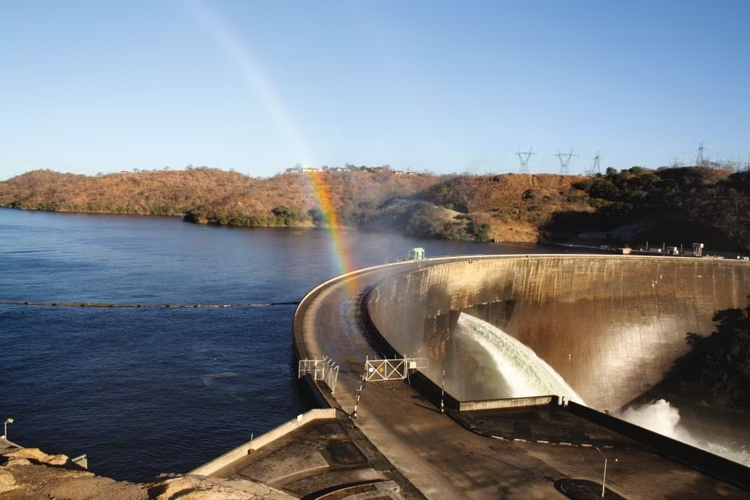
Severe drought in 2015 crippled Zambia's hydropower-dependent electricity sector, which is concentrated in the south of the country. ZESCO rationed power through rolling blackouts that halted industrial production. The nation was forced to import expensive electricity and provide subsidies to keep the lights on.
The economic shock was immediate. The kwacha depreciated by roughly 40% between 2015 and 2016, making dollar-denominated debt significantly more burdensome. The IMF flagged Zambia as at "high risk" of debt distress.
Chinese Lending Explosion
China financed Zambia's infrastructure boom through 'export and suppliers' credit' arrangements. This debt skyrocketed from $448 million in 2011 to over $4 billion by 2020, representing 26% of Zambia's total external debt at that time. The Export-Import Bank of China alone held approximately $3 billion.
Expensive Eurobonds
Zambia issued three Eurobonds totalling $3 billion between 2012 and 2015. While initial bonds clearly allocated funds to infrastructure projects, later bonds lacked transparency about spending. As global interest rates rose, refinancing became increasingly costly.

Budget Collapse
By 2019, debt servicing consumed 30% of annual national spending, three times more than education and health budgets combined. In November 2020, unable to make a $42.5 million interest payment on its Eurobonds, Zambia officially defaulted.
Zambia's Path Out of Debt Default
Exiting default involved multiple coordinated steps over nearly four years:
Applied to the G20 Common Framework (February 2021) for debt restructuring with multilateral support. Zambia became one of the first countries to test this new framework designed to help developing nations manage unsustainable debt.
Secured IMF support (August 2022) through a $1.3 billion Extended Credit Facility, later increased to $1.7 billion, which provided concessional financing and signalled to other creditors that Zambia was committed to reform.
Established a creditor committee co-chaired by China and France to coordinate debt relief among official lenders, breaking through the impasse between traditional Western creditors and newer Chinese lenders.
Restructured Eurobonds (June 2024) with over 90% bondholder approval, providing $2.5 billion in total cash flow relief over the life of the restructured bonds.
By late 2024, these efforts culminated in S&P's decision to remove Zambia from default status, restoring the country's standing in international capital markets.
What Exiting Debt Default Means for Zambia's Economy
Exiting default has major implications for Zambia's economic outlook:
- Restored credibility: With the country no longer in default, Zambia resumes its standing as a credible borrower. This should gradually improve access to international lenders and investors.
- Better borrowing terms: A higher sovereign rating creates opportunities for financing on more favourable terms, supporting development projects and priority economic programmes rather than emergency stopgaps.
- Business confidence: The improved macroeconomic environment should strengthen business confidence and support investment, expansion, and long-term planning. Companies can make decisions based on economic fundamentals rather than crisis management.
- Reduced borrowing costs: As Zambia's risk profile improves, the interest rates it pays on new debt should decline, meaning more borrowed money goes to actual projects rather than interest payments.
How Zambia's Exit from Debt Default Affects Ordinary Citizens
The rating improvement reflects sustained reform efforts in several key areas:
- Debt management: Strengthening transparency and oversight of government borrowing to prevent future crises.
- Fiscal discipline: Implementing budget consolidation to prevent overspending and ensure sustainability.
- Governance reforms: Enhancing public financial management systems to reduce corruption and waste.
- Economic diversification: Collaborating with international partners to reduce dependence on copper exports and expand the economic base
For ordinary Zambians, this should translate to more stable public services. With less money going to debt servicing, more can be allocated to education, healthcare, and infrastructure, the areas that were squeezed during the crisis years.
However, citizens shouldn't expect immediate, dramatic changes. Economic recovery takes time. Debt restructuring provides breathing room, not instant prosperity. Continued fiscal discipline means Zambia’s spending will remain controlled, and some austerity measures may persist even as conditions improve.
The real benefit is stability: fewer economic shocks, more predictable services, and an environment where businesses can invest with confidence. Over time, this foundation should support job creation, wage growth, and improved living standards, but patience will be required.
Zambia's Road to Economic Recovery
Zambia's exit from default status represents a significant step toward restoring financial stability and rebuilding the country's economic resilience. But it's not the end of the journey, it's the beginning of recovery.
The country must now deliver on its reform commitments: maintaining fiscal discipline, improving governance, and diversifying the economy beyond copper. Continued collaboration with creditors will be essential to ensure that Zambia never returns to the brink of default.
For citizens, the question isn't just whether Zambia has escaped debt default—it's whether lessons have been learned. The crisis exposed weaknesses in borrowing practices, transparency, and economic planning. Ensuring these mistakes aren't repeated will determine whether this fresh start leads to lasting prosperity or just another cycle of boom and bust.
The scarlet letter is gone. Now comes the hard part: building an economy that doesn't need another bailout.