The soundtrack to post-colonial Zambia arrived in the twang of an electric guitar, the dramatic flare of a bell bottom and the psychedelic tunes tinged with African flavour that we call Zamrock - and Ricky Ililonga is one of the Godfathers of it.
Often dreadlocked and sunglassed or bereted, his fingers moving effortlessly from electric to bass guitar, drums to congas to harmonicas, his hands sliding from playing instruments to penning vocals to singing them. Ililonga is a one-man band and a frontman and surviving member of one of the most influential ones in Zamrock history, Musi-O-Tunya.
The Band That Put Zambian Rock on the World Map
Musi-O-Tunya was a staple of the 70s music scene, releasing only two albums during their run but leaving a legacy that put their country on the world map and inspired generations of musicians.
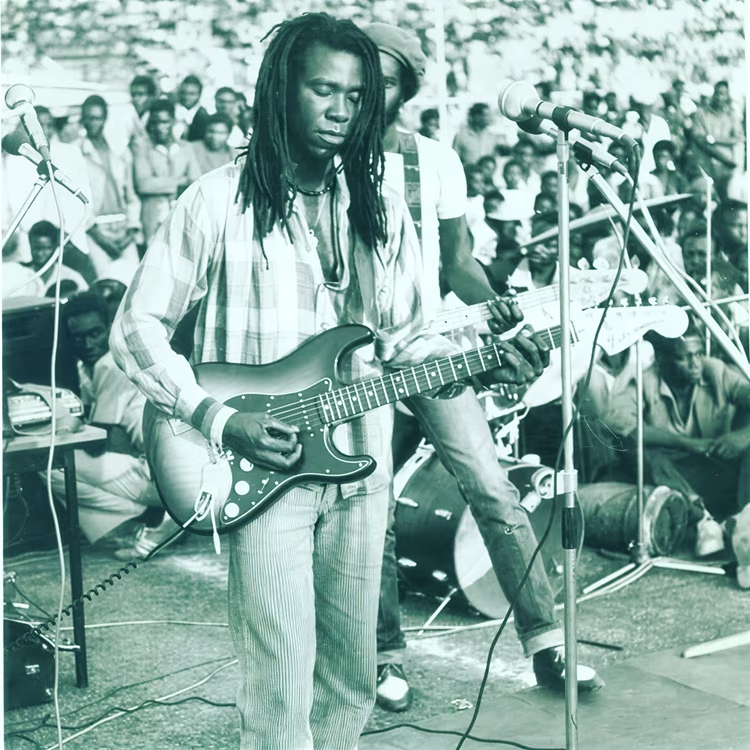
With hits like The Wings of Africa and Dark Sunrise that blended a mass of genres and languages to deliver electrifying rock performances that became the score to life in that era.
Ricky’s roots stem from the Zambezi district of North-Western province, and later on, he moved to Ndola. He learned to play the banjo in the style popularised in mining areas. Influenced by artists like Jimmy Hendrix, James Brown and Cream, Ililonga siphoned off the styles of his musical favourites to create something unmistakably his own.
Exploring Ricky Ililonga's Genre-Defying Albums
His solo discography spans numerous albums and exposes us to the depths of his personal style and musical prowess, from the defining Zambia with its painfully catchy Shebeen Queen to the contagiously rhythmic Sansa Kuwa Ililonga’s solo debut album, which burst onto the scene with a gritty, calm, infectious sound, completely composed by him.
His follow-up album Sunshine Love appeared with a sound more polished, more melodic and venturing into territories of funk, folk and afro-rock, delivering a bouncy sunny offering that is often regarded as helping shape the perception of Zamrock outside of the country. Soweto, his third album, named for and inspired by the 1976 Soweto Uprising, delivered a sound more politically conscious and rooted in African solidarity. Frank Talk was his most mature offering, released in the late the mid 80s, it brought forth a softer sound, more focused on storytelling.
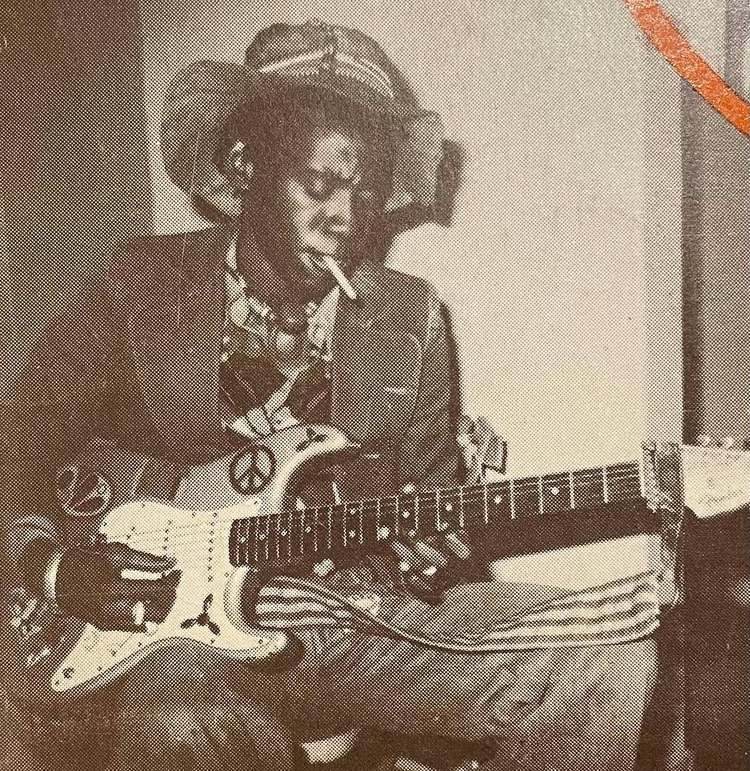
By scanning through Ricky Ililongas discograpy, we see both the history of the musician himself and the continent he created in. Each tune, each pulse, each rhythm evokes with it the inescapable sound of the place it was born in.
How Economic Collapse & AIDS Nearly Silenced Zamrock
But if Zamrock was the soundtrack to the movie that was post-colonial Zambia, both the copper crisis and aids pandemic marked a turning point for the genre and the musicians that created the sound. And though Ricky Ililonga lived in London and Denmark at the time, the scene he would return to would be the same. The aids crisis took the lives of many musicians in the Zamrock scene, and the economic fallout from the copper crisis meant that inflation made records and live shows an excessive luxury that audiences could no longer afford.
Zamrock's Global Revival
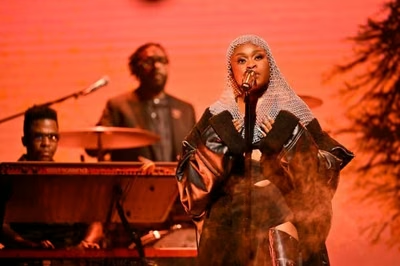
But that was not the end of the story. The band keeps playing even as the ship goes down, and lately, Zamrock has seen itself afloat on a global scale. Used in the soundtrack of acclaimed series like Ted Lasso and Fargo. Sampled by grammy nominated and winning artists like Tyler The Creator and Travis Scott, and brought back to life by Zambia’s very own acclaimed Sampa the Great, who notes Zamrock as the genre of her upcoming album, with the title track Can’t Hold Us already making waves.
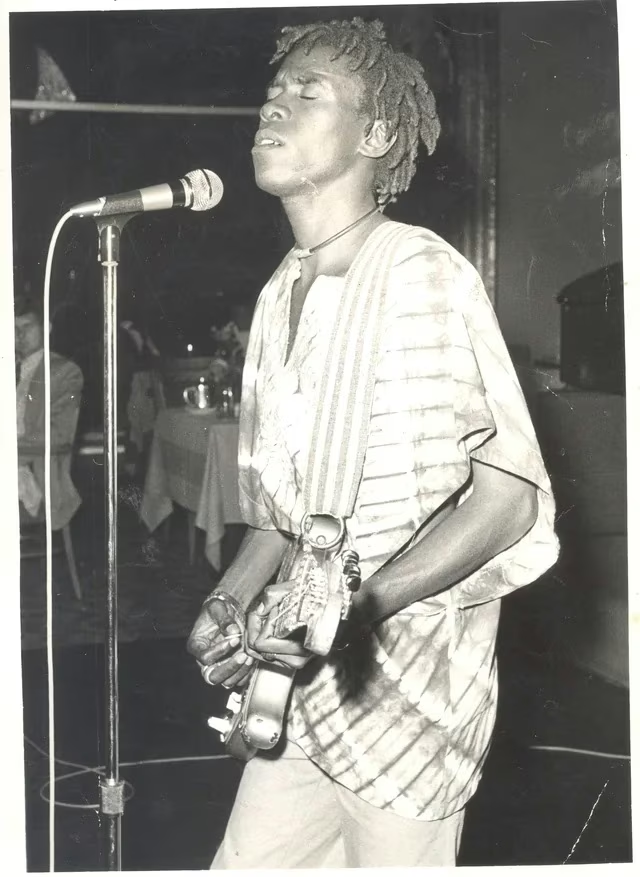
Ricky Ililonga is one of the few legends we still have around. His contribution to the art scene and our lives is as immeasurable as his strums on each guitar on every track. Still decked out in sunglasses and dreads and berets, still appearing with that rockstar energy and still determining the soundtrack to our culture and our lives.