Zambia’s 2026 Civil Service Salary Increase Explained
Zambia has confirmed a K700 increase in monthly basic salaries for civil servants, effective 1 March 2026. For many workers, the announcement sounds like progress. For others, the real question is simpler: how much of that increase will actually reach their accounts?
A year earlier, a K500 adjustment took effect in January 2025, together with small changes to meal and repatriation allowances. The Ministry of Finance linked the move to the Public Sector Pay Policy and the need to improve wages while keeping the national budget stable.

On paper, the announcement sounds comforting. In reality, most workers immediately calculate the net figure. After PAYE, the increase settles near K500 for many salary bands, sometimes less, depending on the bracket. Because tax is deducted before income reaches the account, the announced amount and the received amount rarely match.
How Civil Servants Are Responding
Reactions from the workforce sit somewhere in the middle. Some civil servants welcome the review because salaries barely moved for years while the cost of living kept rising. For them, the extra money helps with transport and groceries, especially in larger towns. Others look at the same figure and feel almost no change once fuel, school fees and rent take their share.
Many workers point to a deeper issue. Low base salaries make small increments feel temporary. The market determines the real wage more than the official notice does, and a raise built on a narrow base still leaves pressure at the end of the month.
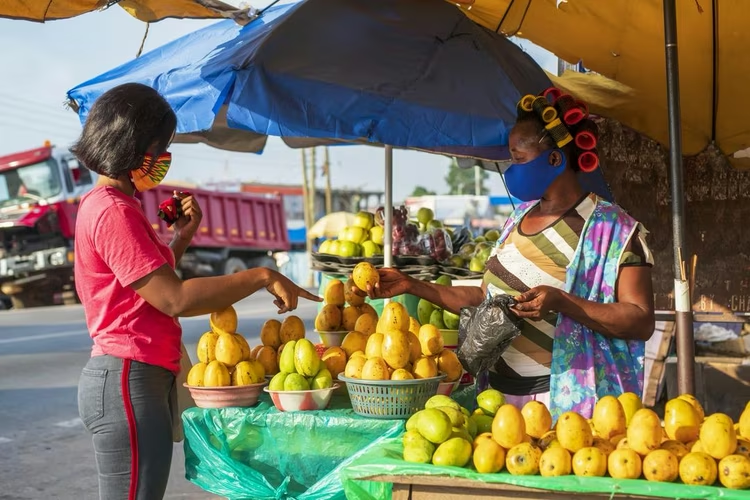
What the Increase Looks Like Monthly
Take a mid-level public nurse working at Chilenje Level 1 Hospital. Her pay slip increases, but public transport costs had already risen earlier in the year, and school fees fall due in the same month as the adjustment. After deductions, the extra money may cover groceries for about a week, leaving little room for savings. The increase is visible on paper, yet daily financial pressure remains largely unchanged.
Labour unions called the adjustment progress, though mostly as a starting point. Workers quietly compare public pay with private sector opportunities and even regional migration options.
Salary vs Working Conditions
Salary rarely stays the only topic. Conditions appear quickly in the same conversation. Teachers mention class sizes and materials. Health workers mention patient load and supply shortages. Administrative officers point to outdated equipment that slows down daily tasks. Income matters, yet the environment determines whether that income feels fair.
Many civil servants also hope that welfare support improves alongside pay. A modest raise reduces pressure briefly, but reliable healthcare access and employment benefits shape long-term stability.
Officials emphasise fiscal discipline. Public sector wages consume a large portion of government spending, so adjustments happen cautiously. The aim is to harmonise pay across ministries while maintaining service delivery.
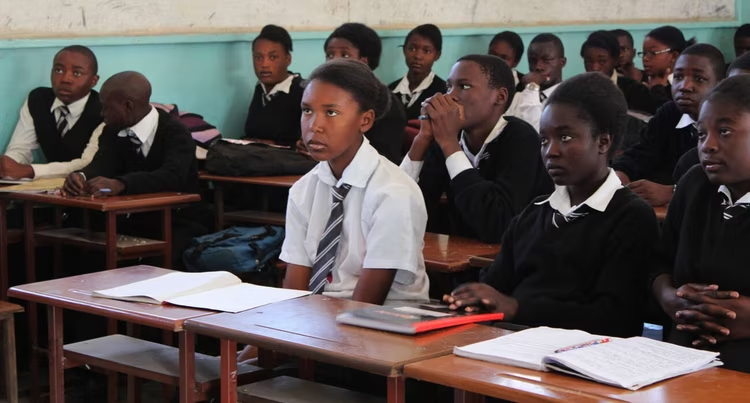
From an administrative perspective, the increment shows an acknowledgement of economic pressure. From the household perspective, the question remains whether acknowledgement becomes relief. Both views exist at the same time.
Will Future Salary Reviews Go Further?
Will future budgets continue small yearly adjustments or review salary scales more broadly? Will inflation slow enough for increments to be felt? Will working conditions improve alongside wages, so morale and service delivery rise together?
The increase represents movement, but its meaning depends on what follows. Continued reviews strengthen confidence. Rising prices can weaken the effect quickly. Civil servants understand national budget limits, yet they also face monthly obligations that cannot wait. Between those realities sits the real conversation about fair compensation in a changing economy.