Picture this: thousands gathering in traditional regalia, the air thick with anticipation, drums echoing across the sacred grounds. Ncwala 2025 was spectacular, and if you missed it, you definitely want to be there for 2026.
The Ngoni people are one of Zambia's most fascinating ethnic groups, and their story is pretty incredible. Originally from South Africa, they migrated north in the early 1800s under the leadership of Zwangendaba, settling in what is now Eastern Province. They brought with them a rich warrior culture, unique traditions, and a fierce pride in their heritage that you can still feel today.
They've kept their culture alive whilst embracing modern Zambian life. You'll find Ngoni people in every profession, but when Ncwala comes around, everyone remembers where they come from.
What Is Ncwala?
Think of Ncwala as the Ngoni New Year cultural event, the most important ceremony on the Ngoni calendar, usually held in February at the Paramount Chief Mpezeni's palace in Mtenguleni, Chipata District.
The ceremony marks the first fruits of the harvest, and traditionally, no one was allowed to eat the new crops until the chief had performed the necessary rituals. It's a time when the Ngoni people come together to celebrate their identity, honour their ancestors, and showcase the traditions that have survived for generations.
Last year's ceremony was absolutely buzzing. Thousands of people descended on Mtenguleni, and the atmosphere was electric from start to finish.
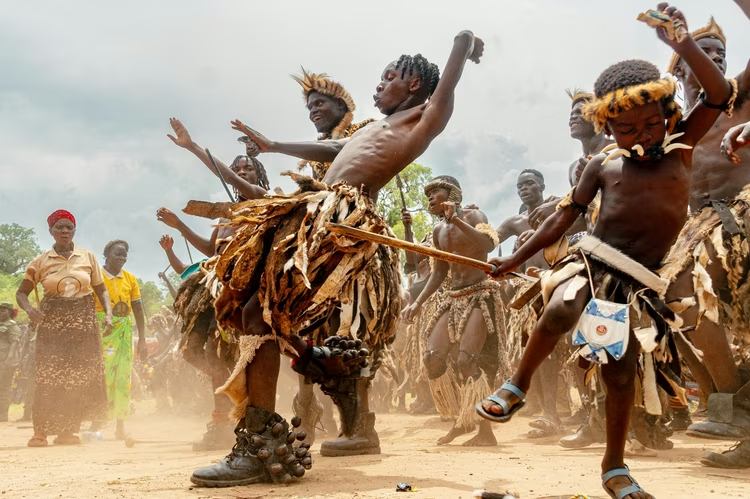
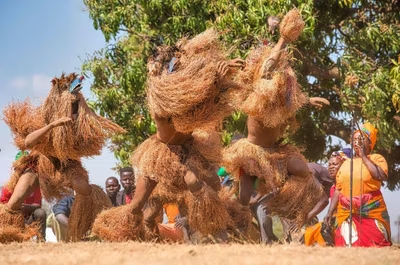
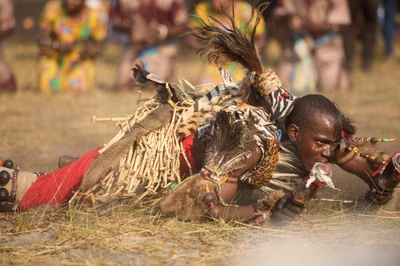
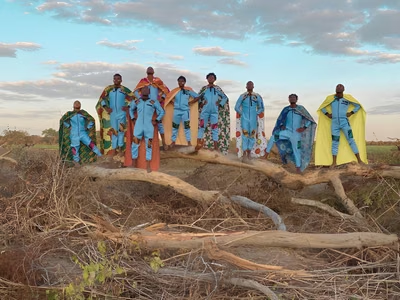
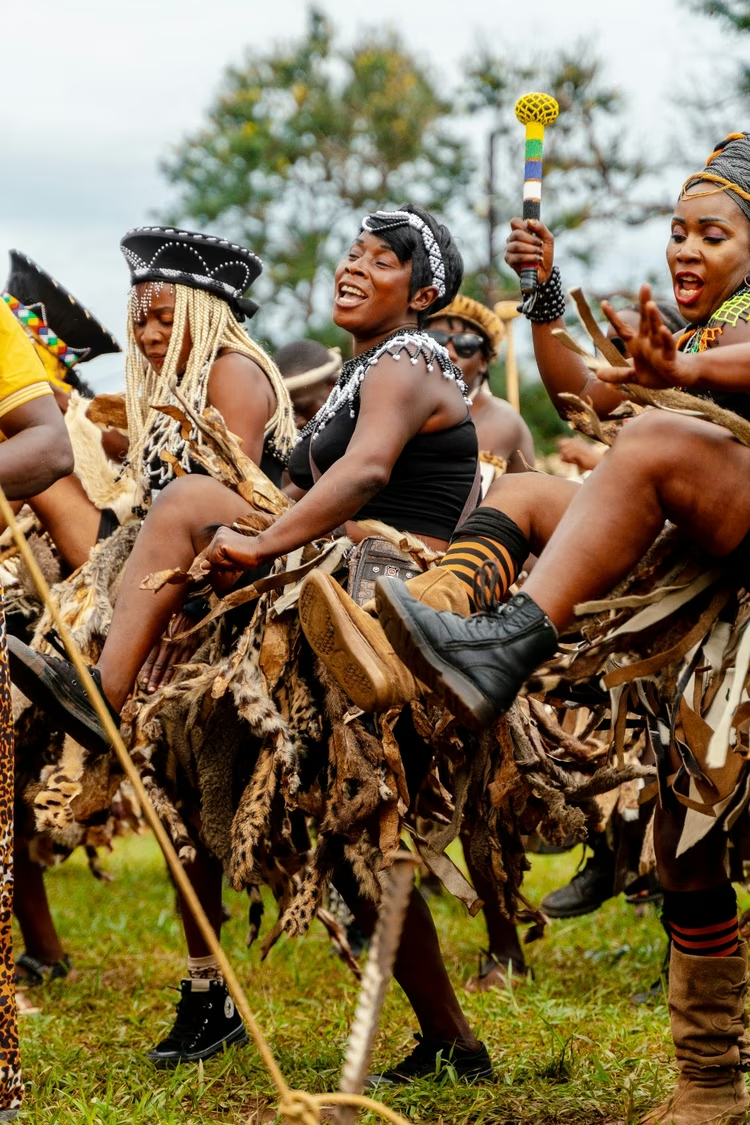
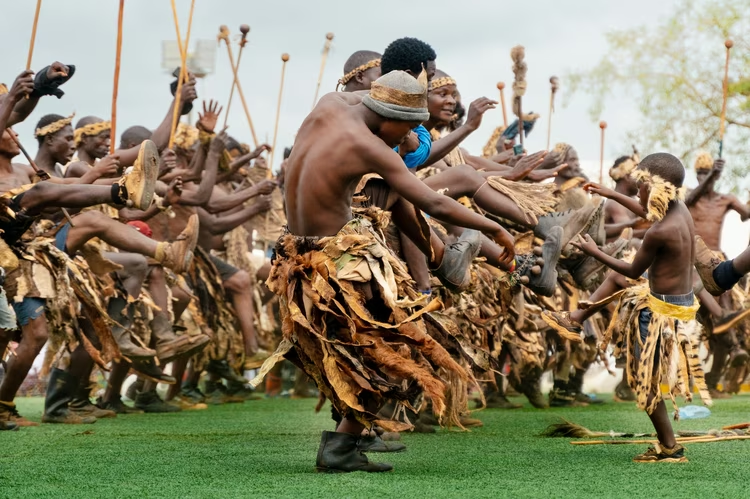
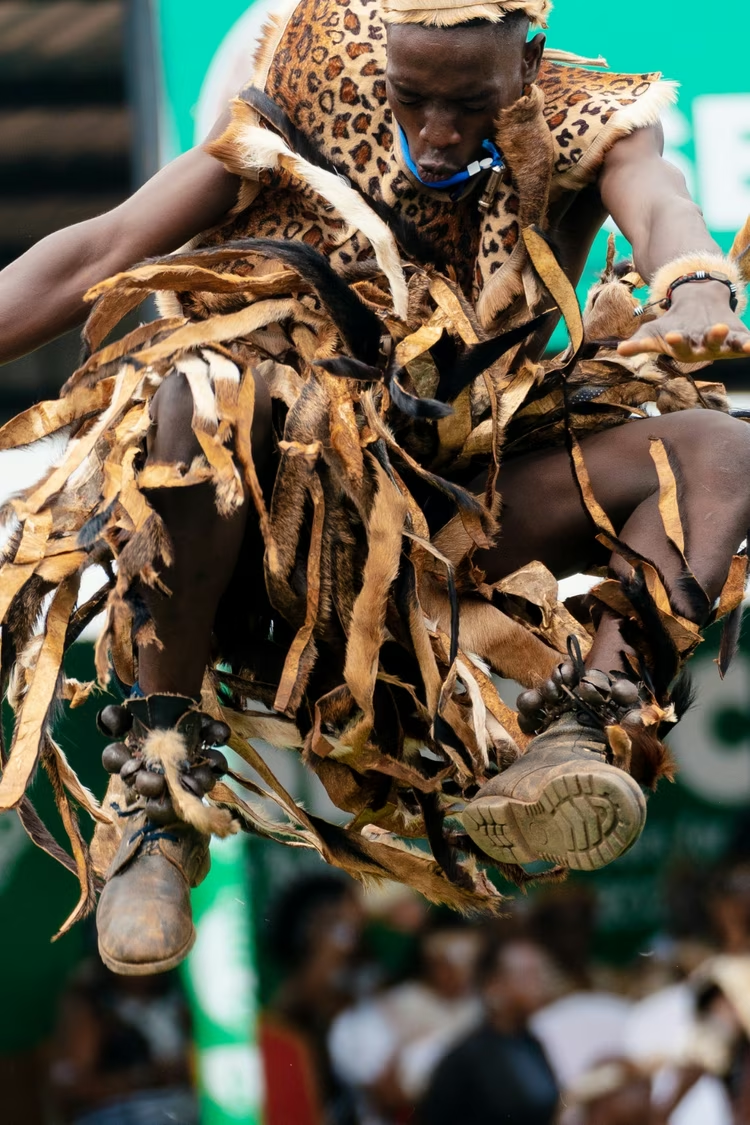
The regiments arrived in full traditional dress, we're talking animal skins, feathers, shields, and spears. The warriors performed the traditional war dances with an energy that had the crowd on their feet. You could feel the ground shake when they stamped in unison.
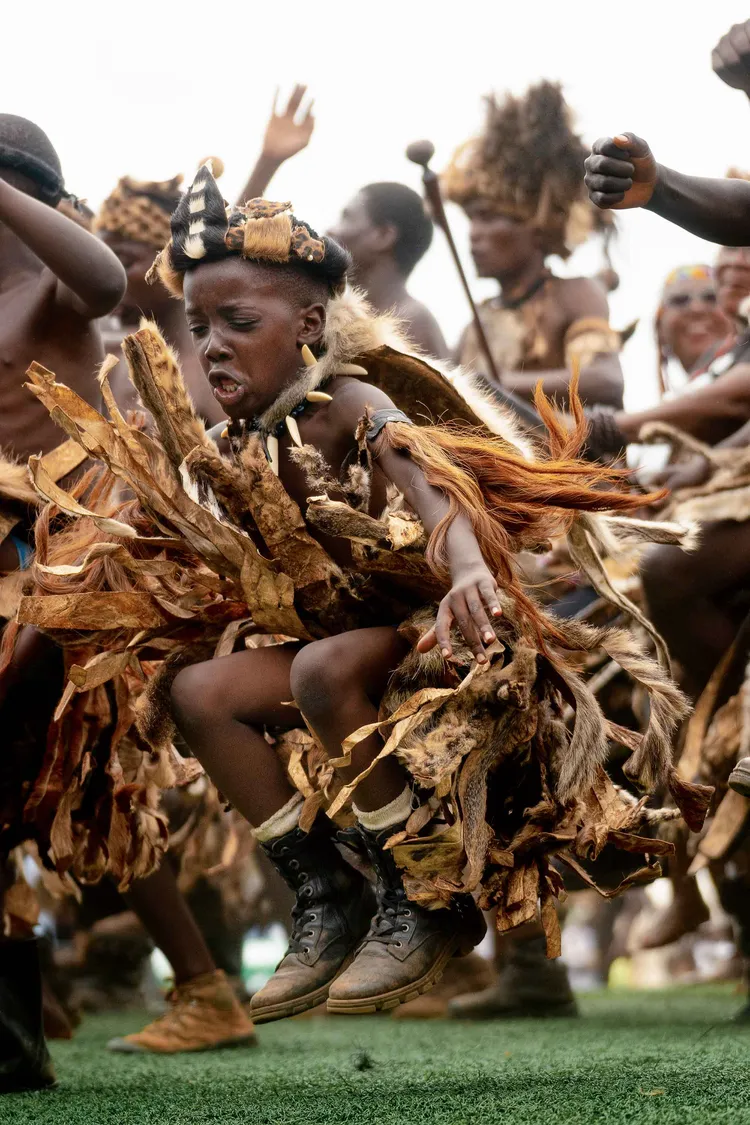
The ceremony kicked off when the Paramount Chief tasted the first fruits. There was singing, dancing, and a general sense of joy that's hard to describe unless you've been there. One of my favourite moments was watching the young children trying to copy the older warriors' dance moves. You could see the culture being passed down right before your eyes.
Getting Ready for Ncwala 2026
Ncwala typically happens in late February, but the exact dates are announced closer to the time by the Paramount Chief's palace. Keep an eye on local media and the Zambia Tourism Board website from January onwards. Don't try to book too far in advance without confirmed dates; you'll just stress yourself out.
How to Get To The Ncwala Ceremony
Mtenguleni is about 50 kilometres from Chipata town, which is the capital of Eastern Province. If you're coming from Lusaka, you've got options.
By road, it's roughly 600 kilometres and takes about eight to nine hours. The Great East Road is in decent condition, and you can hire a car or catch a bus from Lusaka to Chipata.
If you're flying, Proflight operates regular flights from Lusaka to Chipata. Once you're in Chipata, you can hire a taxi or arrange for a local tour operator to take you to the ceremony grounds.
Where to Stay During the Ncwala
Chipata has several accommodation options for different budgets. You've got hotels like Protea Hotel, Chipata Golf Club, and Mom's Inn if you want something comfortable with proper facilities. Book early, because places fill up fast during Ncwala. I'm talking weeks in advance.
If you're adventurous like me, you can find locals renting out rooms in their homes closer to Mtenguleni. It's a more authentic experience, and you'll get to know people, but facilities are basic.
What to Bring with You to The Ncwala Ceremony
The February weather in Eastern Province can be unpredictable. Bring sun protection (hat, sunscreen, sunglasses) because it gets hot, but also pack a light jacket for the evenings. Comfortable shoes are essential as you'll be standing and walking on uneven ground.
Cash is king in rural areas, so don't rely on card payments or mobile money. There are usually vendors selling food and drinks, but it's not a bad idea to bring some water and snacks.
Respect the culture. Dress modestly and ask before taking photos of people, especially during sacred parts of the ceremony.
Ncwala is a living, breathing celebration of identity and heritage. The Ngoni people welcome visitors, but remember you're a guest at something deeply meaningful. Come with an open heart, and prepare to be amazed.
See you at Ncwala 2026!