For the city-dwelling Zambian, the village is a pilgrimage into a world where mornings are communal alarms, meals are negotiated family events, and social bonds are woven from earnest questions and shared chores.
The journey to the village begins when the last smooth road gives way to gravel, signal bars fade, playlists buffer, and grazing animals meet your gaze through the window.
For many Zambians, going to the village over the holidays is a trip of homage, an acknowledgement. It’s interesting to go back to the place where everyone is related and quite invested in your well-being. The transition starts long before you arrive. As you leave the city, buildings thin out. Billboards vanish. Shops become fewer and farther apart. Eventually, the world turns lush green and wide. The rush drains out of your body slowly, like your phone battery when there is no electricity plan in sight.
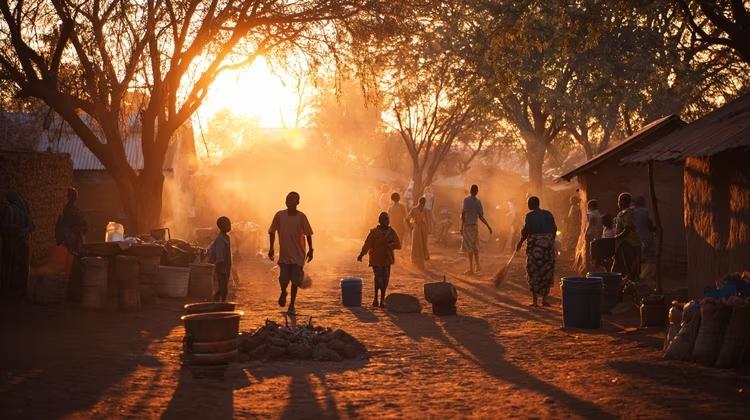
In the city, you outsource everything—food, laundry, transport. The village is different: all chores require participation, from fetching water to preparing breakfast. It’s a stark contrast to life in a furnished Kabulonga apartment with a maid.
One of the biggest shocks is the morning. In the city, mornings belong to you, and you have that time to yourself and doom scroll a bit before your day starts. In the village, morning is a communal event. You’re greeted by a very loud radio playing Zambian gospel hymns, and it’s like an alarm telling everyone that the morning chores have begun. Not a morning person? Too bad. Here, you must wake up and greet everyone properly. Everyone. Properly. One by one. Even if your spirit has not arrived yet.
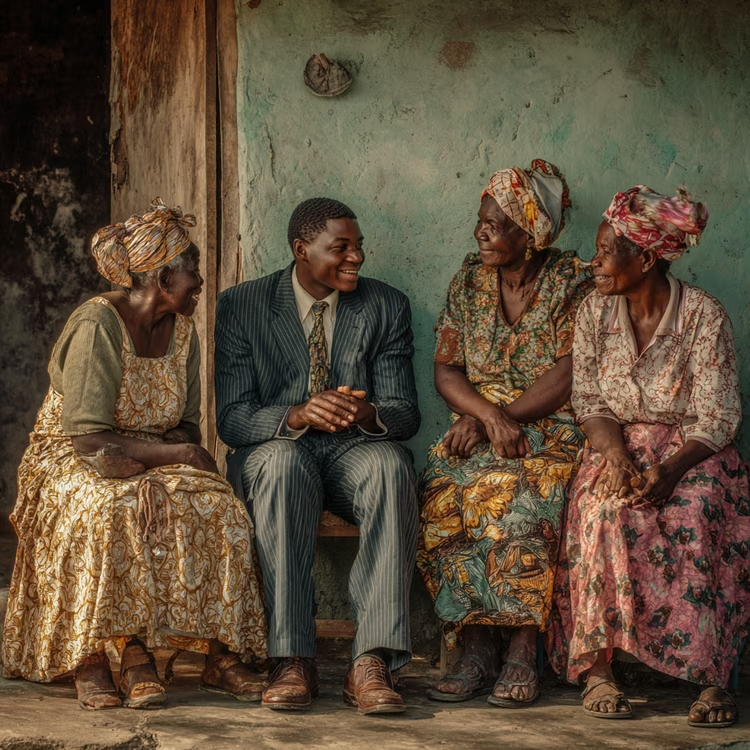
You will be asked what the plan is for breakfast as though breakfast is a meeting that requires consensus. You will learn very quickly that saying “anything is fine” is incorrect. There is always a right answer. You just do not know it yet. Is it Samp? Buns? Or pumpkin? You have to figure it out.
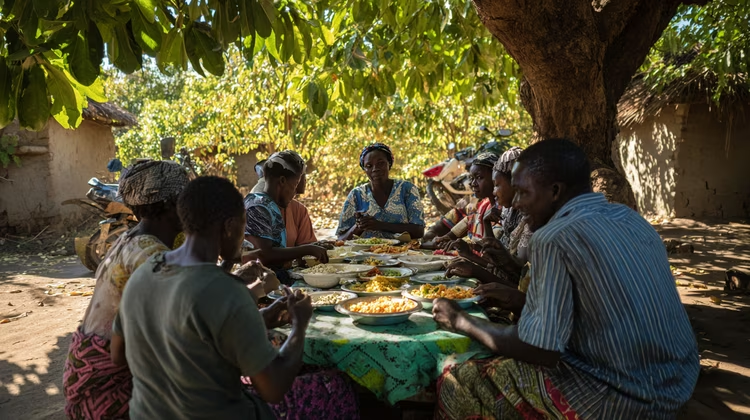
Food is its own other world, and unlike in the city, where dinner can start with opening a freezer and end with a microwave beep, here things move differently, and the whole process of the meal requires family effort, from how the mealie meal is processed to serving it on large plates where everyone can eat together. One beautiful thing about it all is the way eating becomes a shared event, with an array of side vegetables of unique taste and in peanut sauce. Something is warming about sitting together and eating as a family. That conversation, while you eat with people who are excited by your city stories and excited about you. Laughing at your office drama stories as you eat between mouthfuls. The atmosphere is filled with so much love.
Social expectations are the most interesting because you will stumble into that random aunty who will be so disappointed that you don’t remember them changing your nappies when you were an infant. People will be so curious about what you’ve been up to and, of course, ask cautiously about any prospects of an in-law. Oh, and the advice, how it flows so freely and richly from the elders. Gems. Some stories repeat and still feel sort of new. You think you know gossip till someone tells you of that uncle doing some underground business somewhere that’s questionable. It feels like this big communal memory, where people remember who you are, who you are becoming, and who you hope to be.
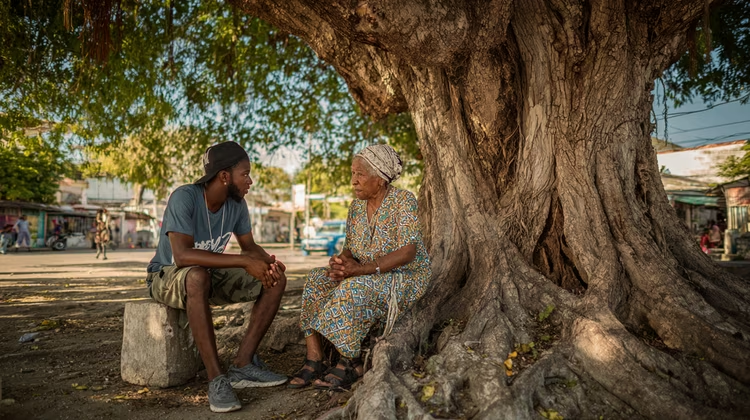
At some point, usually when you are washing plates under a sky full of stars or chatting quietly with a cousin after a long day, it hits you. This slowing down is far from a punishment but a sort of necessary recalibration. A reminder that life does not always need to be optimised to be meaningful and that, truly, they love you at home. By the time you leave, the city feels strange again. Too loud. Too fast. You will miss the mornings, the food, the forced participation, and the way time freely flowed.