What about the woman who led 150,000 followers, challenged both colonial missions and African patriarchy, condemned polygamy decades before Beijing, and created one of Africa's most powerful indigenous churches?
History is rarely neutral. It is often written by victors, shaped by politics, and clouded by rivalry. Few figures in Zambia’s past illustrate this better than Alice Lenshina Mulenga. This is a woman whose life and work, when examined soberly, reveal a pioneer of African Christianity, an early feminist, a Pan-Africanist, and a bold gender activist far ahead of her time.
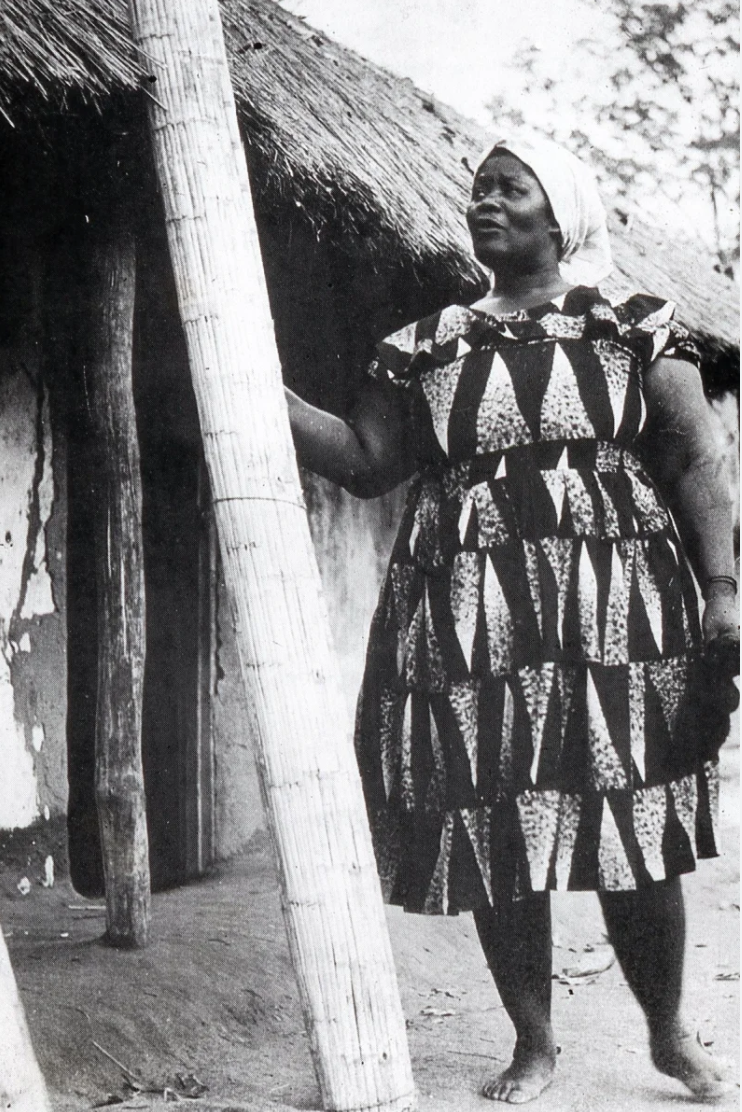
It is time Zambia reclaimed her story and honoured her legacy. Alice Lenshina Mulenga emerged in the 1950s as the founder of the Lumpa Church, one of the most powerful indigenous religious movements in Central and Southern Africa. At its height, the Lumpa Church attracted over 150,000 followers, surpassing the Roman Catholic Church and the Free Church of Scotland in parts of Northern Rhodesia. This was no small feat in a deeply mission-dominated religious landscape that dismissed any alternative interpretation of ecclesiastical issues. That alone demands serious historical respect.
Building Africa's Largest Indigenous Religious Movement
African spiritual independence by foreign missions. The Lumpa Church was entirely self-sustaining, built without foreign funding or missionary control. Church elders were paid from contributions by members themselves, a remarkable achievement that demonstrated African capacity for self-organisation, accountability, and economic independence long before such ideas became fashionable in development discourse.
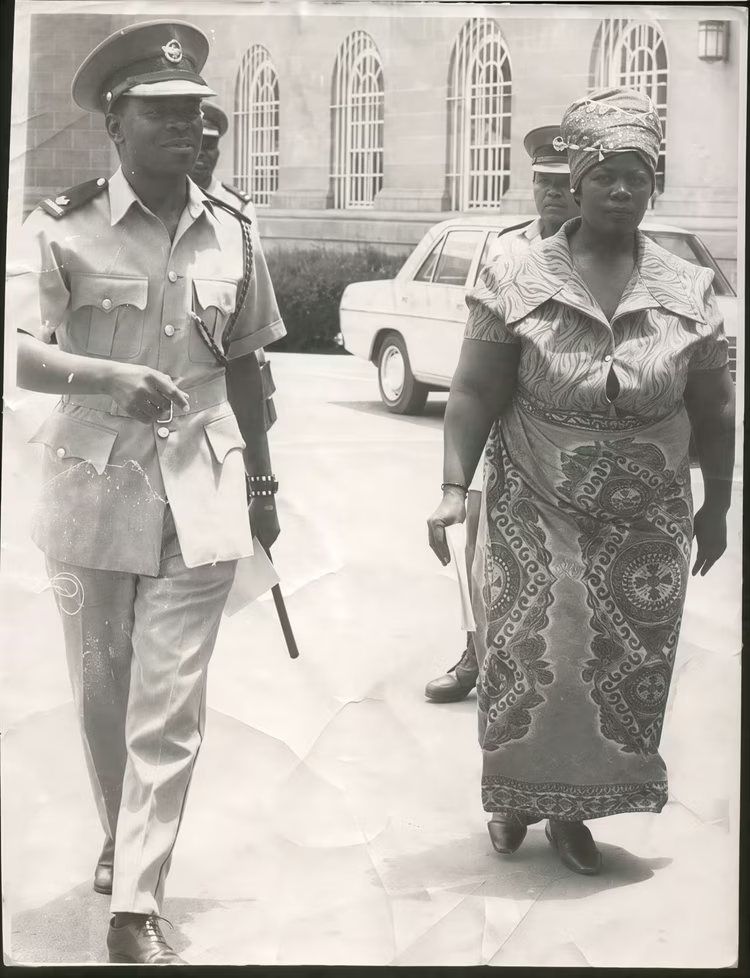
Beyond religion, Lenshina’s ideas were radically progressive, especially on gender. She elevated women to leadership positions in her church at a time when both African tradition and missionary Christianity were deeply patriarchal.
Women were not merely congregants; they were central to teaching and spiritual authority. In this sense, Lenshina stands as one of Zambia’s earliest feminists, decades before gender equality entered policy language or NGO frameworks.
Perhaps most striking was her stance on polygamy. Lenshina openly condemned and criminalised polygamy within her movement, challenging a practice widely defended by tradition and male authority.
This was revolutionary in the 1950s and early 1960s. Long before the 1995 Beijing Conference empowered Zambian women to confront patriarchal customs, Lenshina was already doing so, at immense personal and political cost. That aspect of her legacy alone deserves recognition in contemporary gender advocacy circles.
Lenshina's Revolutionary Gender Activism
Lenshina was also a Pan-Africanist in practice. Her church rejected foreign dominance, whether political or ecclesiastical, emphasising African leadership, which spread organically across ethnic, regional, and national boundaries.
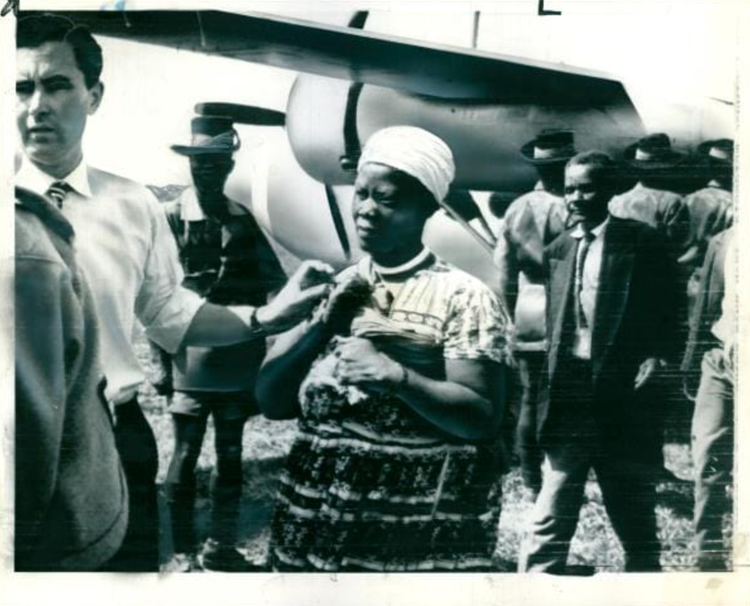
Lumpa Church into Congo, Malawi, Tanzania, and Zimbabwe. This was African unity expressed through lived experience, not conference resolutions. Recognising her contributions does not mean glorifying violence but acknowledging complexity and refusing simplistic labels.
Violence, State Response, and Historical Complexity
The Non-Governmental Organisations’ Coordinating Council (NGOCC), as a leading voice on gender justice, can champion the cause of honouring Lenshina. Alice Lenshina Mulenga was neither a saint nor a villain. She was a visionary African woman navigating colonialism, patriarchy, religion, and politics with extraordinary courage.